
Defense Memo Targets Prediction Market Bets
The Pentagon has issued new restrictions to prevent service members from trading military intelligence through financial platforms.
By Evelyn Henderson ·
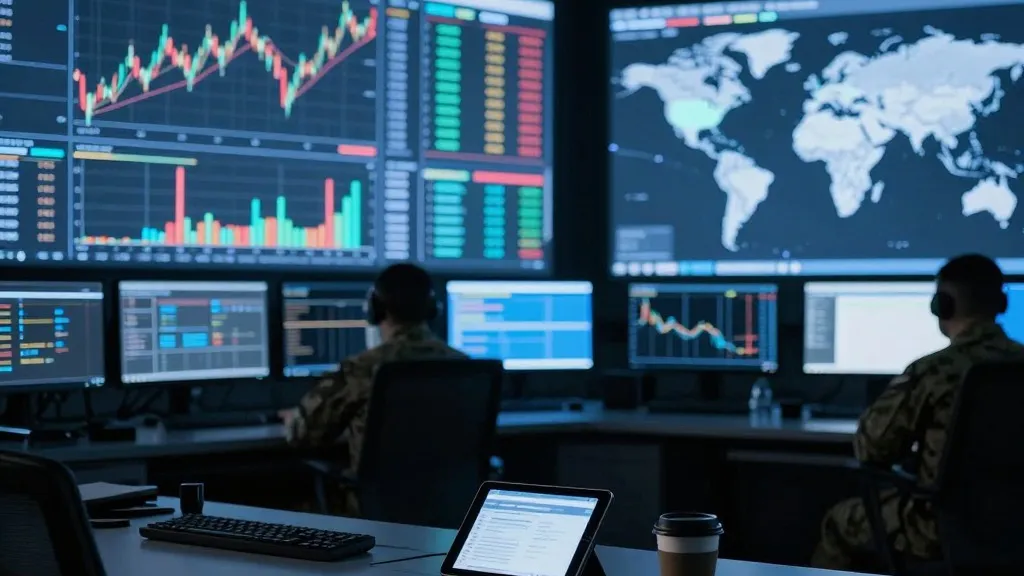
A significant tension has emerged between the Department of Defense and the rapidly expanding prediction market industry. Defense Secretary Pete Hegseth has formally warned military personnel that using nonpublic information to place wagers on these platforms could compromise operational security. The core concern is that financial transactions based on military outcomes create detectable signals that hostile nations can exploit to anticipate American strategic moves.
The directive, titled “Do Not Compromise Military Operations for Personal Financial Gain,” was distributed on October 20, 2026. The memo was addressed to senior Pentagon leadership, Combatant Command leaders, and directors of Defense Department field activities. It was subsequently published by CBS News, bringing the internal guidance to wider public attention. This action marks a formal institutional response to the growing influence of financial speculation on military affairs.
Recent incidents have underscored the urgency of the issue. In April, a US Army soldier was arrested and charged with utilizing confidential information to generate $410,000 in profits on Polymarket. The specific bets concerned the timing of the military’s capture of Venezuelan President Nicolás Maduro. Furthermore, an August report by the Anti-Corruption Data Collective identified 152 suspicious wallets that had placed longshot bets on military and defense markets, resulting in combined winnings of $8 million.
Hegseth argued that adversaries actively monitor fluctuations in these markets. He noted that when an American service member, intelligence professional, or civilian engages in a financial transaction regarding a military outcome, they generate a signal. This signal can be aggregated, correlated, and exploited by hostile foreign intelligence services to determine movements, targets, and timing. The memo emphasized that the lives of service members often depend on the enemy remaining unaware of upcoming operations.
The Secretary stressed that military personnel deserve a force that protects them rather than one that exposes them to enemy scrutiny for personal financial gain. He stated that those who carry the flag into harm’s way should not be placed at risk by the financial interests of their colleagues. This framing positions the restriction not merely as a financial rule, but as a critical element of troop safety and operational integrity.
The prohibition outlined in the memo applies to all financial platforms, encompassing both traditional betting services and prediction markets such as Polymarket and Kalshi. Defense Department personnel are barred from making any financial transaction informed by nonpublic information. This ban applies regardless of whether the specific information is classified or unclassified, ensuring a comprehensive standard for financial conduct within the department.
Moving forward, the Department of Defense will enforce these guidelines across its leadership and field activities. The memo serves as a clear directive to align financial behavior with operational security needs. As prediction markets continue to grow in popularity and complexity, the military aims to establish a firmer boundary between private financial speculation and public military strategy.
Source: Ars Technica · original report published