Jay-Z gets his own Super Bowl halftime slot in 2027
The rapper will headline the NFL's biggest show in February, ending years of behind-the-scenes work that shaped previous halftime acts.
By Evelyn Henderson ·
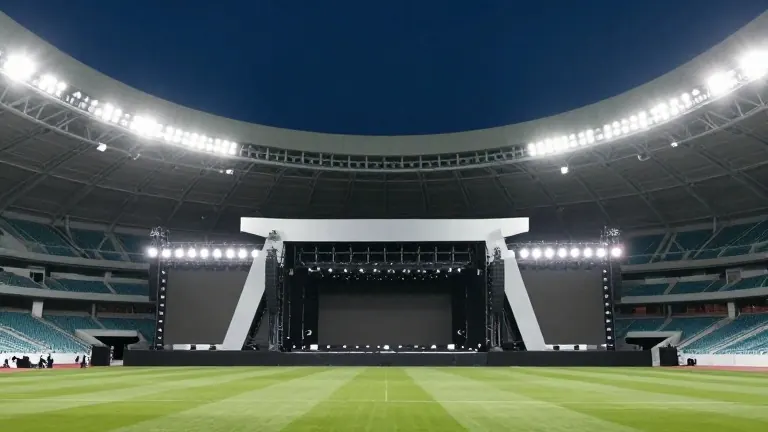
Jay-Z will step into the spotlight as the headliner of the Super Bowl LXI halftime show on February 14, 2027. The performance is scheduled for SoFi Stadium in Inglewood, California. This booking marks the first time the Brooklyn rapper has taken the lead role at the NFL's most-watched musical event. He previously served in a behind-the-scenes capacity, helping to select and manage performers for the league.
The NFL and Apple Music announced the decision on Monday, October 26. Jay-Z's management, Roc Nation, began working with the NFL on entertainment strategy in 2019. Since then, the league has featured major acts such as Jennifer Lopez, Shakira, Rihanna, Kendrick Lamar, and Bad Bunny. Jay-Z's selection follows a year of anniversary stadium performances that celebrated his musical legacy. His catalog spans decades, offering a wide range of material for a 13-minute slot.
The choice has sparked debate about generational appeal. Many millennials view Jay-Z as a defining figure of their era. However, some younger listeners question whether he connects as strongly with Gen Z audiences as contemporary artists like Kendrick Lamar or Travis Scott do. The performance must balance nostalgic hits with compelling visuals to engage both long-time fans and younger viewers. A strong visual concept and smart song selection will be essential to bridge that gap.
Speculation surrounds potential guest appearances, though no performers have been confirmed. Beyoncé is frequently cited as a likely choice due to their extensive history and musical chemistry. Kendrick Lamar and Lil Wayne are also considered possible, given their connections to Jay-Z. Rihanna, Eminem, and Kanye West are other names mentioned in predictions. However, analysts note that a Kanye West reunion is unlikely due to past tensions. Every potential guest remains a prediction until an official announcement is made.
The challenge for Jay-Z lies in curating a setlist from a vast discography. With only approximately 13 minutes to perform, he cannot play every hit. Predicted tracks include early classics like "Izzo (H.O.V.A.)" and "Hard Knock Life," alongside stadium anthems such as "99 Problems" and "Empire State of Mind." The performance will likely focus on records that are widely recognized. A new album release before February is possible but unconfirmed. The halftime show is a television production that requires memorable staging and transitions beyond just music.
Jay-Z's booking reflects a shift in the NFL's approach to hip-hop. Rap music now regularly headlines the event, a change from years when it rarely received such mainstream exposure. Some industry observers suggest this could be one of the last solo rap headliners for a while, though the NFL has not confirmed that strategy. The league may continue with hip-hop acts, return to pop stars, or build cross-genre performances in the future. Jay-Z's presence demonstrates the genre's established place in American entertainment.
The announcement follows a period of increased visibility for Jay-Z's legacy. He has influenced the direction of Super Bowl entertainment for nearly a decade. Now, he faces the task of delivering a performance that satisfies critical acclaim and casual viewers alike. The show will be a test of whether his classic catalog can translate into a modern television moment. Fans will wait for official setlist details and guest confirmations as the February date approaches.
The performance will take place at SoFi Stadium, a venue that has hosted major musical events in recent years. Jay-Z's team will have to coordinate elaborate staging, dancers, and storytelling elements. Previous halftime shows have used these tools to create experiences that extend beyond the music. Jay-Z's concerts typically rely on his live band and lyrics. Adapting that approach for a massive television audience will require a different production scale. The goal is to create a spectacle that remains memorable for years after the broadcast ends.
Source: WENZ