
Hacked apps send false nuclear alerts
Cyberattacks on emergency applications in Russia and Ukraine produced fake warnings of nuclear strikes and chemical threats on Sunday.
By Lucas Chen ·
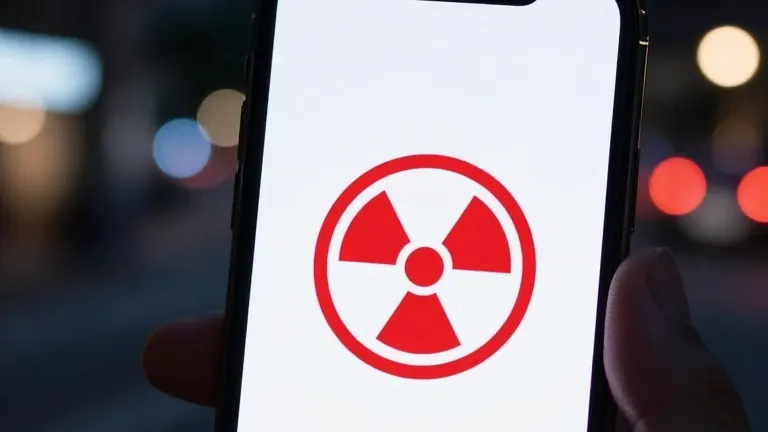
Emergency warning applications in Russia and Ukraine were hacked on Sunday, resulting in false alerts about nuclear attacks and chemical threats. Authorities in both countries confirmed the breaches, though it remains unclear if the incidents are connected. The apps, which typically notify the public of missile and drone dangers, displayed fabricated messages that caused confusion but little panic among civilians.
In Ukraine, the public air raid app posted false notifications late on Sunday claiming that Kyiv and other areas faced nuclear and chemical alerts. One message stated that street combat was imminent. Another claimed that Russia's hypersonic Oreshnik missile had been deployed. The Ukrainian Air Force announced on Telegram that the app had been subjected to enemy influence. The service assured users there was no radiation threat and instructed them to follow official channel updates.
Stepan Tanasiychuk, who leads the Air Raid Alert project, said the app was being restored on Monday. New yellow and red alert levels became available on the map. Tanasiychuk noted on Instagram that the team was taking additional security measures to prevent similar incidents. He acknowledged the unnecessary worry and inconvenience the glitch caused users. The app had recently received an update allowing it to display drone movements in real time.
In Russia, the mobile app for the Emergencies Ministry, known as Emercom, suffered a massive cyberattack. State news agency TASS quoted the ministry as saying the attack led to the spread of false information. A fake message appeared in the Moscow region and across Russia, claiming that nuclear warheads on P1-SUN delivery systems had been launched to all regions. The message included an expletive-laden warning. The ministry said efforts to fix the vulnerability and restore normal operations are underway.
The Emergencies Ministry downplayed the incident's impact on public safety. Officials stated that alerts are distributed through regional and municipal systems, including sirens, loudspeakers, SMS messages, and media broadcasts. Kremlin spokesman Dmitry Peskov commented on the event on Monday. He stated that all electronic resources belonging to government agencies face constant cyber threats. Peskov added that evolving technologies, including artificial intelligence, are increasing the threat of such attacks.
Social media users in both countries largely recognized the messages as fake. Some Russian users expressed frustration over the security lapse. One user said they deleted the Emercom app and would not reinstall anything similar. They questioned how officials could leave the application vulnerable. Another user noted the fake alert was written in a way that made it hard to believe. A third user commented on seeing numerous posts about the incident on Threads, expressing relief that the warning was not real.
Others in Russia joked about the situation. One user wrote that the information was reserved for the chosen ones and that other citizens were not important enough to be hacked. In Kyiv, a resident responded to the alert about street fighting by posting that their mayor is a boxer. Another social media post listed imaginative additional threats, including a cat invasion, a pancake emergency, and a clown attack.
The Ukrainian Air Force continues to monitor the situation. The Emergencies Ministry is working to secure its digital infrastructure. Both nations rely on these digital tools for rapid public communication during wartime. The incidents occurred on Sunday and were addressed in the following days. Users are advised to check official channels for verified information.
Source: CNN