20,000 Microducks sold after Nvidia CEO’s viral demo
A flock of tiny, open-source robots became the holiday season’s top contender after a lively demonstration at a Berlin tech conference.
By Lucas Chen ·
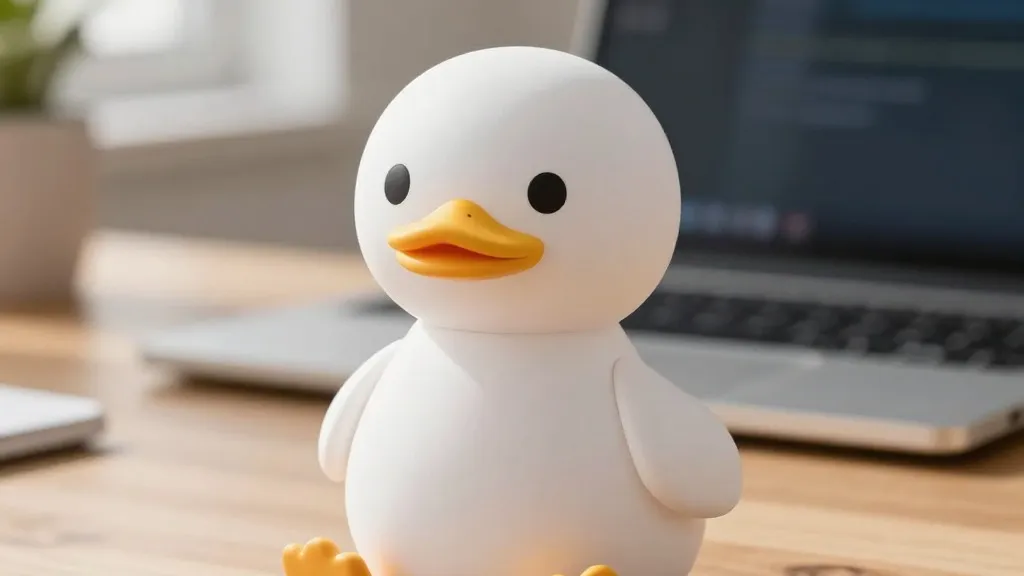
Jensen Huang, the head of Nvidia, spent part of his keynote address at the GTC Berlin conference this week doing something a bit different: playing with a group of small, waddling robots. The footage of him interacting with the flock quickly spread across social media, capturing the attention of tech enthusiasts and casual observers alike. In the clips, the devices are seen stomping their tiny feet and emitting sounds reminiscent of the droid from a famous space opera. They sit on command, fall over to simulate a nap, and perform somersaults when spoken to. The charm was immediate and undeniable.
The reaction to the demonstration was faster than many in the industry expected. By the day following the keynote, preorders for the robots, known as Microducks, had already crossed the 20,000-unit mark. Clem Delangue, the chief executive officer of Hugging Face, confirmed the sales milestone in a public tweet. This rapid uptake suggests that the product has struck a significant chord with consumers who are looking for something new and engaging in the crowded toy market.
With delivery dates set to coincide with the holiday season, these robots are now positioned as potential top sellers for Christmas. Delangue has suggested that the Microducks could end up being the best-selling robot of the year. Interestingly, he noted that the primary buyers might not even be children. Promotional materials released alongside the launch feature adults engaging with the devices, indicating that the target demographic extends well beyond the traditional toy aisle.
The Microducks are not just another piece of plastic and circuitry; they are open-source devices. They are produced by Pollen Robotics, a company that was acquired by Hugging Face in 2025. Since Nvidia purchased Hugging Face in September, the lineage of these robots now traces back to the GPU giant. This acquisition means the Microducks are effectively an Nvidia product, leveraging the massive infrastructure and brand recognition of the company that powers much of the current AI boom.
This release marks the second robotic offering from Hugging Face. The first was the Reachy Mini, which also garnered attention for its design. The company has now doubled down on the concept of accessible, interactive robots. The open-source nature of the Microducks allows for a degree of customization that is rare in consumer electronics. Owners are not limited to the factory settings; they can teach their units new behaviors and share those training data points with the broader community.
The training process for these robots relies heavily on Nvidia’s own technology stack. Before the devices reach consumers, simulations of the Microducks are taught basic tricks such as walking, sitting, and standing. These pre-programmed abilities ensure that the robots are functional out of the box. However, the platform is designed to be extensible. Pollen Robotics emphasizes that the initial set of tricks is just a starting point for users who want to experiment with new movements or reactions.
The timing of this launch is notable. The AI industry has faced a rough patch this week, with several high-profile cyberattacks blamed on artificial intelligence involvement. The mood in the sector has been somewhat tense, with discussions focusing on the potential risks and damages AI can inflict. Against this backdrop, the Microducks offer a lighter, more playful perspective. They serve as a reminder that the technology driving these complex systems can also be used for simple, delightful interactions.
It is difficult to watch the viral videos without feeling a pull to order one of the devices themselves. The combination of technical sophistication and genuine cuteness has created a unique product proposition. While the broader industry debates the future of AI in serious and sometimes scary contexts, these little robots are finding their way into homes as a source of joy. The 20,000 preorders are a strong signal that this approach is resonating with the public.
As the holiday season approaches, the Microducks are likely to be a frequent sight in gift guides and tech showcases. Their success will depend on whether the physical product matches the charm seen in the digital demos. If the delivery timeline holds, many families across the Great Lakes and Ohio Valley regions may find these waddling companions under their trees. The initial sales figures suggest that the hype is more than just a passing trend, pointing to a sustained interest in interactive, open-source robotics.
Source: TechCrunch · original report published