Amazon Concedes: Four AI Data Centers Scrapped in Loudoun County After Community Uprising
The tech giant is trading its massive server farm plans for residential housing and a community arts center in the wake of intense local opposition regarding noise and power demands.
By Evelyn Henderson ·
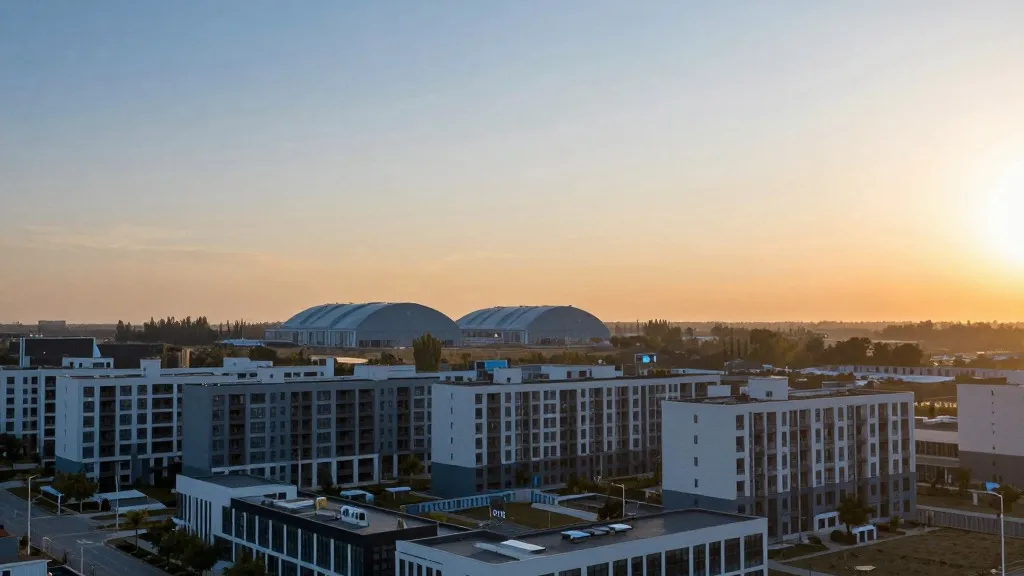
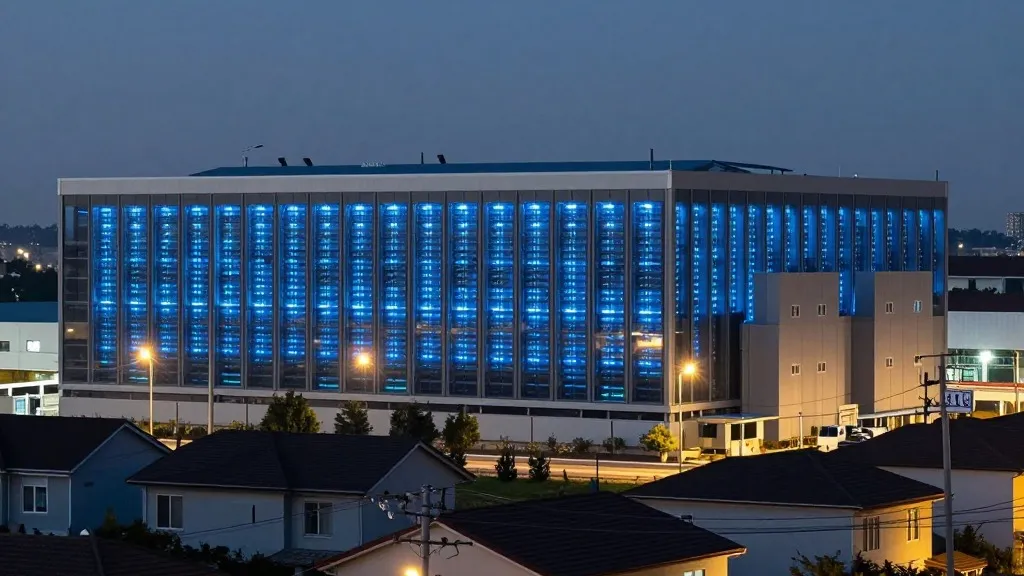
The tension between tech giants’ insatiable appetite for AI infrastructure and the communities bearing its physical footprint has reached a breaking point in Northern Virginia. In a significant reversal, Amazon has officially abandoned its proposal to construct four new data centers on the former George Washington University campus in Loudoun County. The decision marks a sharp pivot away from the company’s original ambitions for the 122-acre site, which was slated to become the latest addition to the region’s dense cluster of digital facilities, locally known as "Data Center Alley."
Instead of rows of humming server racks, the majority of the land will be repurposed for mixed-use and residential development. As part of the settlement, Amazon will donate 25 acres to Loudoun County specifically for the construction of a community arts center and a new recreational facility. To further sweeten the deal and address housing concerns, the company has pledged a $5 million contribution to the county’s housing fund, a move intended to mitigate the pressure on local living costs.
This outcome follows a timeline defined by growing friction. Amazon initially submitted its proposal in July of this year, aiming to capitalize on the site’s legal development potential. However, the plan faced immediate scrutiny from residents who cited fears over increased noise pollution and the massive electrical load required to keep the facilities running. In September, the pressure culminated in a direct meeting between Amazon executives and Phyllis J. Randall, the chair of the Loudoun County Board of Supervisors, where county officials suggested the company might be better served by finding an alternative use for the land.
Josh Weissman, Amazon’s vice president for data center development, explained the shift in strategy by acknowledging the local sentiment. He noted that while the company initially jumped at the opportunity to purchase the former university campus, they ultimately heeded the county’s “pointed concerns about data center development at this particular site.” Weissman stated that although Amazon viewed the legal development potential differently than the county, they concluded that a shared vision was preferable to “costly litigation.”
The broader context of this decision reflects a national trend where the boom in AI usage is straining local resources. As demand for larger, more powerful facilities surges, communities are increasingly wary of the side effects, including spikes in electricity prices, water shortages, and deforestation. Just days before this announcement, President Donald Trump called on data center builders and AI hyperscalers to pay local communities a dividend to offset energy-related price increases. He further suggested that these facilities should generate their own power and feed excess energy back into the local grid.
Local officials have framed the resolution as a triumph of collaboration over conflict. In a statement, Randall emphasized that by choosing “dialogue over reflexive disagreement,” the county and Amazon created a unique opportunity for the community. She highlighted that the agreement will provide new spaces for residents to gather and create, while most importantly, delivering “more attainable homes for working families.”
Looking ahead, the site is set to transition from a high-tech hub to a mixed-use neighborhood. While the scrapping of the data centers eases immediate infrastructure burdens, the shift underscores the evolving landscape of AI infrastructure planning. Developers can no longer assume that legal permission to build guarantees local acceptance, especially in regions already saturated with similar projects. The next phase will involve detailed planning for the residential and community components, with the $5 million housing fund playing a central role in shaping the new development.
The deal also signals a potential change in how tech companies approach real estate in high-demand areas. By swapping a data center project for residential and community assets, Amazon has effectively traded future computational capacity for immediate social capital. This move may set a precedent for other projects in the Ohio Valley and Great Lakes regions, where similar debates over power grids and community impact are beginning to take shape.
Source: Tom's Hardware · original report published
More Business · Consumer Watch · Report a business · Got a Story?