Tesla Shifts Fremont to High-Volume Robot Production with Internal Training Data Strategy
The automaker has repurposed its legacy vehicle lines to manufacture production-quality humanoid robots, relying on an internal 'Academy' of thousands of units to generate essential AI training data.
By Evelyn Henderson ·
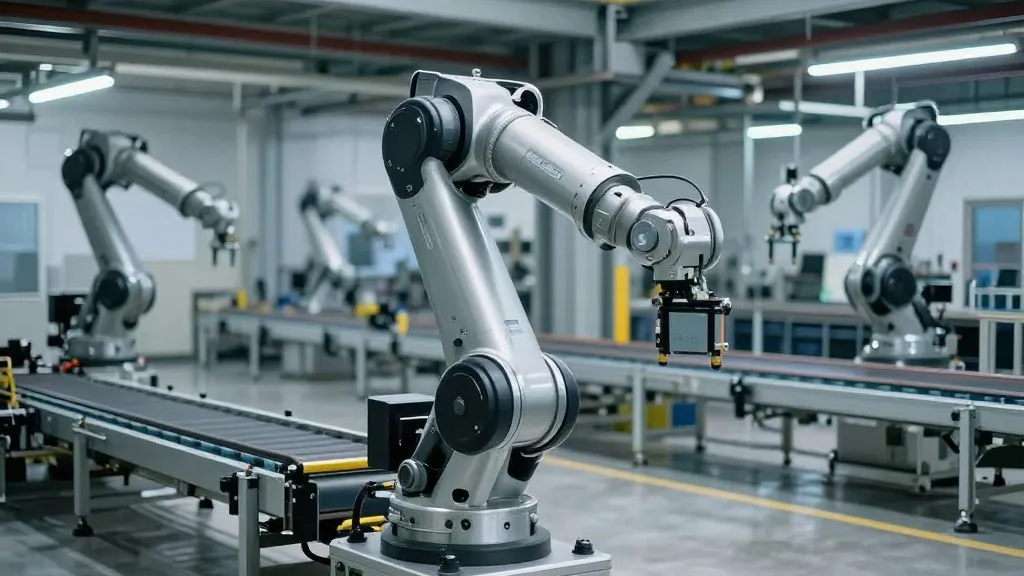
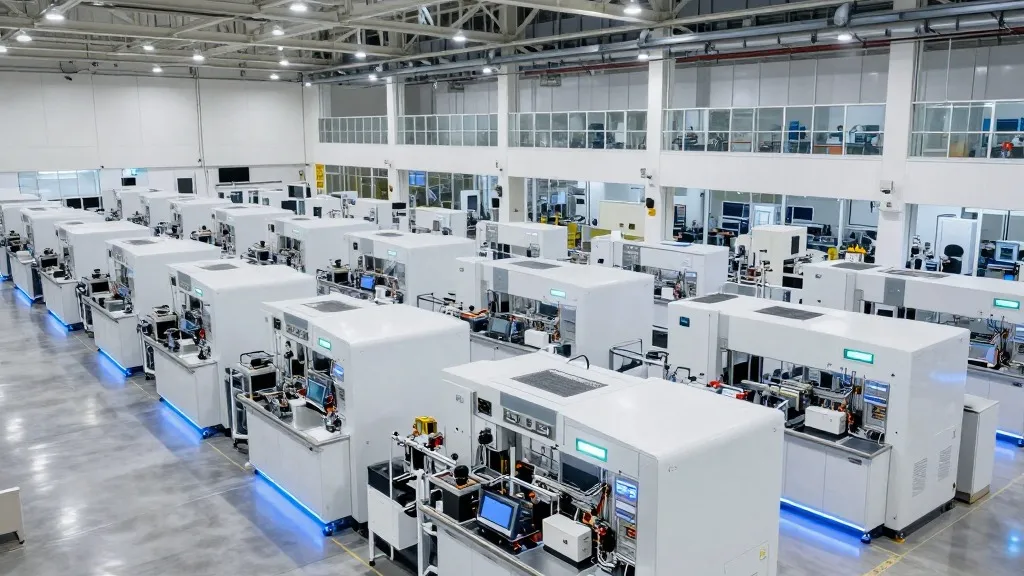
Tesla has initiated high-volume production of its Optimus humanoid robots on a dedicated line within its Fremont factory, marking a significant pivot from legacy vehicle assembly to industrial robotics. The company asserts that the units emerging from this facility are the first to meet strict production quality standards, signaling that the manufacturing process is now viable for commercial deployment. This transition represents a major capital allocation shift for the automaker, moving resources away from the Model S and Model X platforms, which occupied this space until earlier this spring.
The operational scale of the new line is designed to support an annual output of one million units. Elon Musk confirmed during the third-quarter earnings call that the majority of the necessary equipment is already installed in Fremont. As the production ramp accelerates, Tesla aims to increase weekly output to approximately 20,000 robots. Musk characterized this growth trajectory as a classic S-curve, noting that the initial phase will feature a shallow slope as the team refines the robot’s artificial intelligence, electromechanical design, and service life reliability.
A central challenge for Tesla is generating the training data required to make these robots autonomous, a task that is easier for its automotive fleet due to millions of vehicles sending real-world driving data back to the company. Optimus lacks a comparable external fleet to source this information. To solve this, Tesla has established an 'Optimus Academy,' a facility where 10,000 to 20,000 robots will practice a diverse range of tasks. The data generated by these internal practice sessions will be fed into the next iteration of the model, with every unit produced on the Fremont line serving as a node in this data collection network.
Technological upgrades are scheduled to support this data-driven approach. Tesla plans to integrate its AI5 chip into the Optimus platform next year. Musk indicated that a new video demonstrating the robot completing tasks driven by AI rather than preprogrammed motions is expected within one to two months. He used this upcoming reveal to critique competing humanoid demonstrations that rely on scripted routines, arguing that such systems would not withstand the complexities of real-world application.
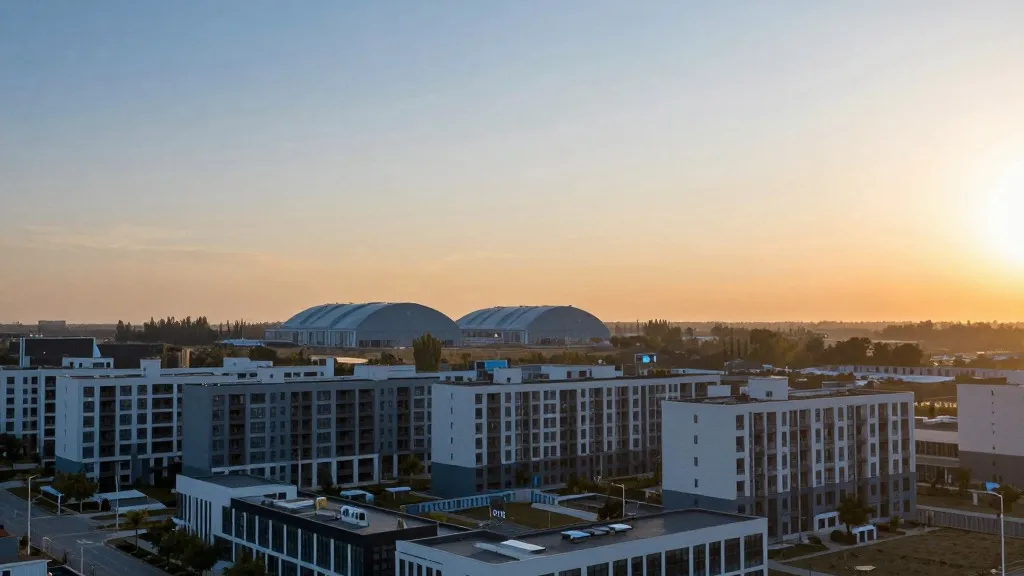
The supply chain is actively aligning with this production push. In September, Tesla certified Tuopu, Joyson, and Sanhua as mass production partners for Optimus components. Simultaneously, construction is underway at Giga Texas for a much larger facility dedicated to robot assembly. Recent aerial footage shows the steel frame of this new plant nearing completion, with Musk targeting a long-term capacity of 10 million robots per year at that location. This expansion underscores the company’s confidence in scaling the platform beyond its initial Fremont output.
Financial metrics suggest the engineering team is optimizing for volume efficiency. Executives noted that Optimus production costs are trending toward the projected manufacturing cost of the Cybercab, indicating that the robot is being engineered for high-volume economics from the outset. However, the design remains complex, particularly regarding the robot’s hands. Musk identified this component as the most difficult aspect of the current design, a focus point for engineering efforts discussed during the recent X Takeover event. As Tesla moves toward delivering Optimus to external companies for dangerous and repetitive jobs by the end of next year, the success of this internal data strategy will be critical to justifying the capital invested in the Fremont and Texas facilities.
Source: Teslarati · original report published
More Business · Consumer Watch · Report a business · Got a Story?