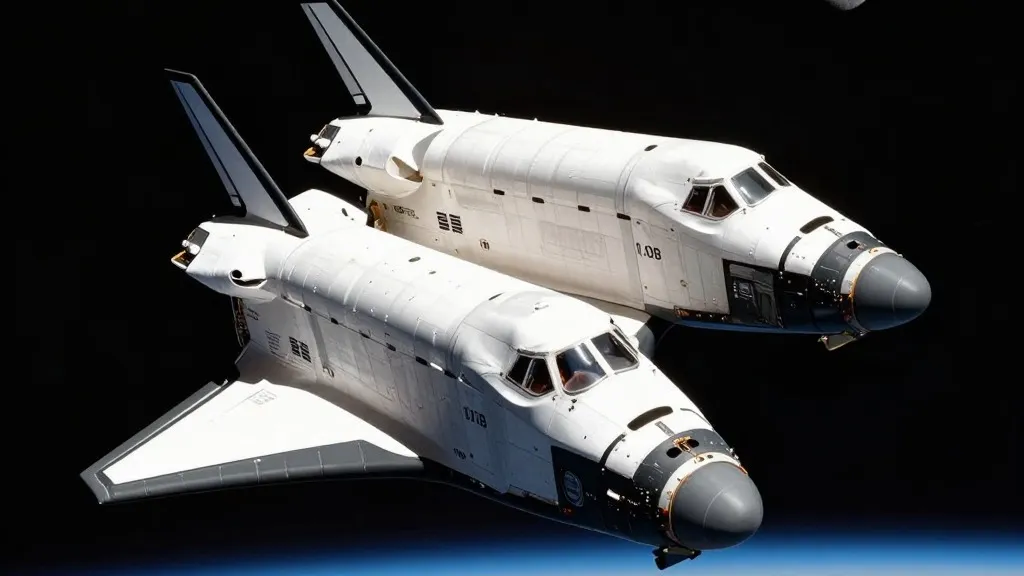
NASA panel reveals new Starship launch count for Moon mission
A former astronaut on NASA's safety panel cited a specific number of required launches, ending years of vague estimates for the lunar lander refueling process.
By Haruka Ricci ·
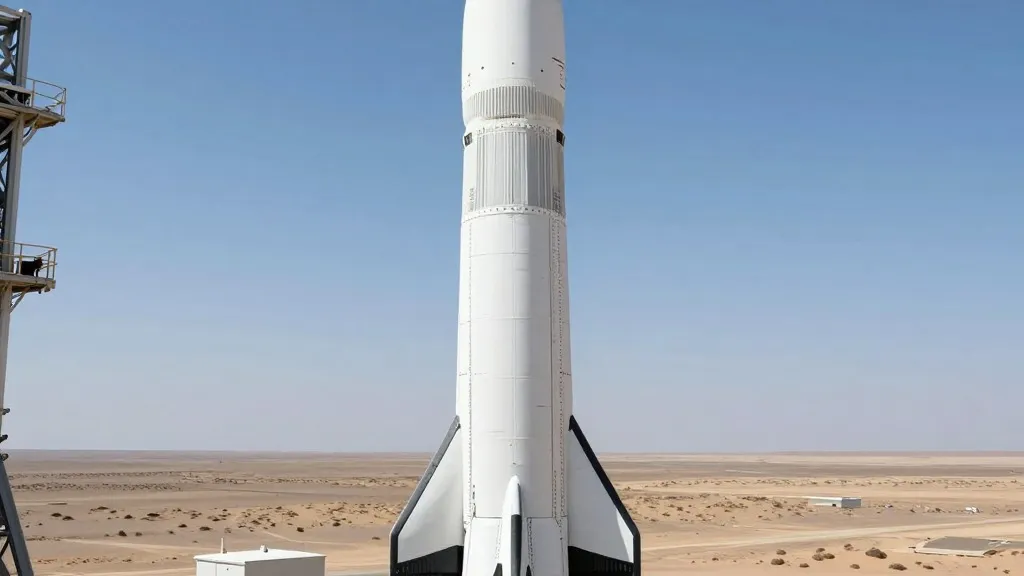
A former NASA astronaut disclosed a new specific figure for the number of Starship launches needed to support a crewed lunar landing, ending a long period of official ambiguity. The revelation occurred during a recent quarterly meeting of the NASA Aerospace Safety Advisory Panel, where member Charlie Precourt addressed the risks associated with the Artemis Program. This disclosure marks a significant shift in how the agency communicates its logistical requirements for returning humans to the Moon.
The specific metric in question involves the number of Starship flights required to fuel a lunar lander in low-Earth orbit. The vehicle must be fully loaded with liquid oxygen and methane propellant to travel to the Moon, land, and return to lunar orbit. For years, NASA has treated this number with unusual secrecy, often comparing its guardedness to how it protects sensitive nuclear data. The agency has frequently declined to provide a precise count, preferring to say that it was not certain enough to commit to a specific figure.
In 2023, Lisa Watson-Morgan, who served as the director of NASA’s Human Landing System, expressed reluctance to share exact details. She told reporters that while the agency had a general idea of the requirements, she was hesitant to state the exact number. Later communications from her indicated the figure was in the high single digits to the low double digits. This range suggested approximately a dozen launches, a substantial logistical undertaking for SpaceX.
The earlier estimate implied that SpaceX would need to launch one depot Starship and eleven tanker Starships to fully load the depot for a lunar voyage. Some other officials had previously cited figures in the high teens. The primary hope within the program was that SpaceX would significantly improve the lift capacity of the Starship rocket. Such improvements would reduce the number of tanker flights required, thereby simplifying the complex operations needed to support the mission.
However, concerns have grown among some NASA officials that these capacity improvements may not arrive soon enough. There is worry that the timeline for these upgrades might prevent Starship from playing a meaningful role in Artemis missions this decade. The new estimate presented by Precourt at the safety panel meeting reflects these ongoing discussions about the feasibility and timing of the launch schedule.
The panel’s meeting took place on Thursday, providing a formal setting for the discussion of these critical program risks. Precourt’s comments highlight the continuing challenges NASA faces in balancing ambitious goals with the practical realities of rocket performance and operational logistics. The clarity provided by the new number offers the public and stakeholders a more concrete understanding of the scale of the effort required to achieve a crewed Moon landing.
Source: Ars Technica · original report published