Tesla Robot Deliveries Slip to 2027 as Hand Design Proves Stubborn
New production hurdles and AI challenges have pushed Tesla’s first external Optimus sales back by nearly a year.
By Lucas Chen ·
The wait for Tesla’s humanoid robots is getting longer.
Elon Musk confirmed on the company's recent earnings call that external deliveries of the Optimus robot are now targeted for the end of 2027. This marks a significant shift from earlier promises. The CEO cited ongoing issues with the robot's hands, overall durability, and artificial intelligence as the primary reasons for the delay.
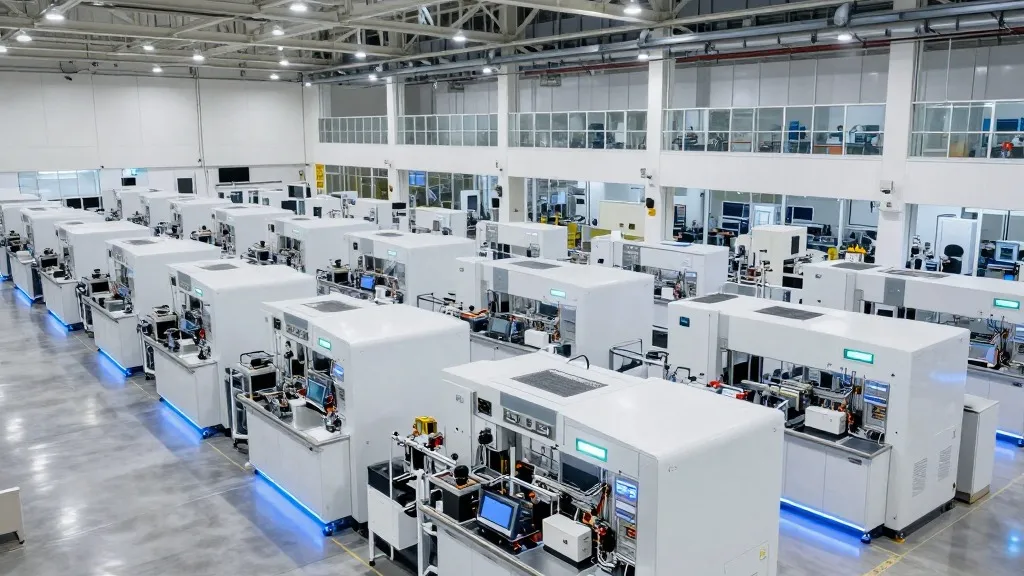
Production has already begun at the Fremont factory. Tesla is using the high-volume line that previously built the Model S and Model X. Most of the equipment needed for a massive annual output is already installed. However, Musk noted that reaching the goal of 20,000 units per week will take at least a year. This is because parts of the design are still in flux.
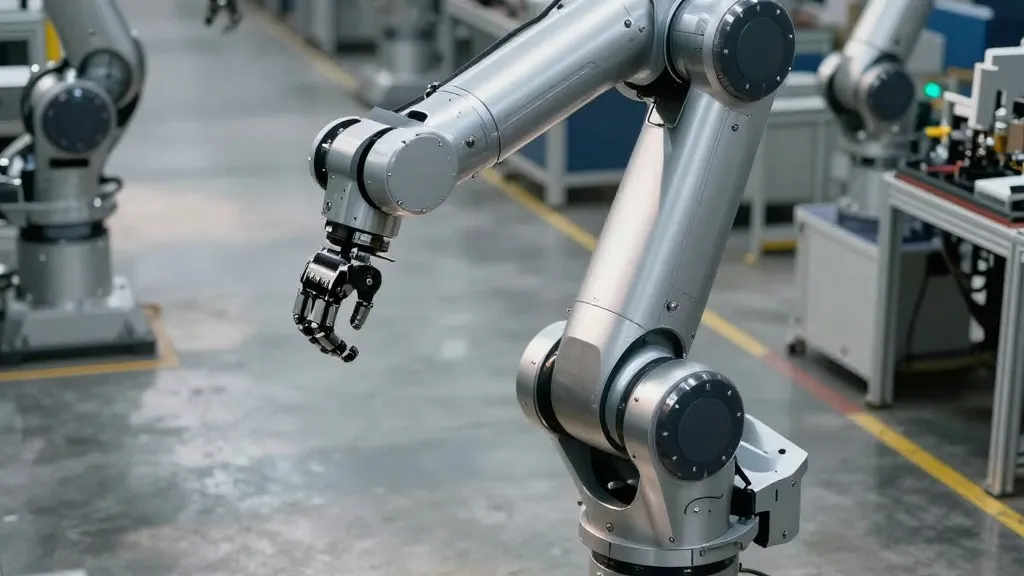
The hand remains the most difficult component to finalize. An engineer explained that the fingers must be soft enough for delicate work but tough enough to withstand constant wear. Unlike human skin, the robot cannot heal from damage. Custom gears also present reliability concerns. The team is working to ensure the machine does not wear out after just one month of use.
Software challenges are just as pressing. Tesla lacks a large fleet of robots to collect real-world data for its AI. To fix this, the company plans to build 10,000 to 20,000 units for an internal practice facility called the Optimus Academy. A new AI5 chip is also scheduled for integration around April 2027. Musk promised a video soon showing the robot performing unscripted tasks to prove the system works beyond pre-programmed routines.
This timeline follows a pattern of shifting goals. In 2024, the target for external high-volume sales was 2026. By early 2025, that had moved to a plan for 10,000 units that year. None of those earlier milestones were met. The Q3 shareholder letter now describes the current output as the first production-quality bots, implying that earlier versions were not ready for prime time.
Competitors are also making strides. XPeng launched an automated production line for its IRON robot in September. It aims for mass production by the end of 2026 and deliveries in early 2027. Boston Dynamics has started producing its electric Atlas robot. All of its 2026 deployments are already committed, including work with Google DeepMind. These rivals face similar hurdles with hands and AI, but they are not claiming a total monopoly on the technology.
The path forward is clear but challenging. Tesla must solve the same problems as its rivals: creating hands that survive real work and building AI that can handle new tasks. While the company may build the most robots, making them truly useful is the final test. Investors will watch the upcoming video closely to see if the 2027 date holds up.
Source: Electrek · original report published