Lula Wins Fourth Term as Flávio Bolsonaro Seeks to Void Vote
A surge of 14.1 million extra voters in the runoff secured Lula's victory, prompting a legal challenge from his rival and a dispute from U.S. President Donald Trump.
By Evelyn Henderson ·
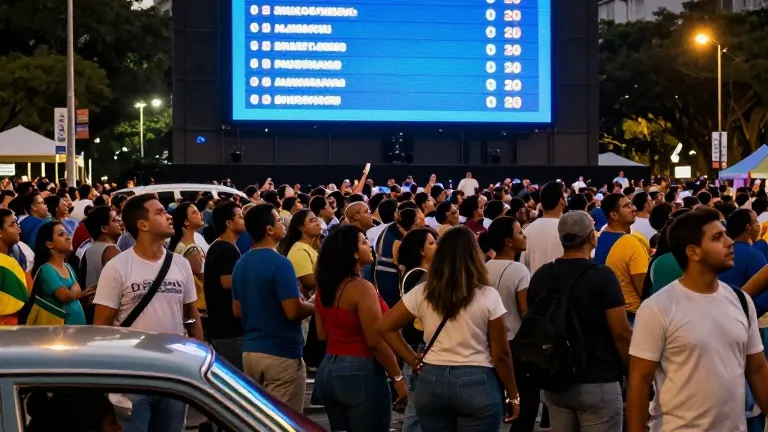
President Luiz Inácio Lula da Silva will take office for a fourth non-consecutive term on Jan. 5, 2027, after winning Brazil's presidential runoff on Sunday. His victory is already facing a legal challenge from Sen. Flávio Bolsonaro, who announced plans to request an annulment of the election results.
Lula received more than 64 million votes, securing a lead of nearly 4% over Flávio Bolsonaro, who received just under 60 million votes. The decisive factor in the runoff was a surge of 14.1 million additional voters compared to the first round. Analysts estimate that three-quarters of those new votes went to Lula, including individuals who abstained in the first round or supported third-party candidates.
The campaign's success in mobilizing these voters relied heavily on a social media operation led by lawmaker André Janones. Janones managed a WhatsApp channel called “Lula's Army,” which gathered almost 11 million people. This digital push pressured Meta, the owner of WhatsApp and Instagram, to adopt measures ensuring equal treatment of the candidates, a demand supported by a ruling from Brazil's electoral court on Oct. 15.
Flávio Bolsonaro cited a chaotic extension of voting hours as the reason for his challenge. The Supreme Court authorized the extension minutes before polls were set to close, a move requested by both candidates due to transportation issues in Lula's strongholds and heavy rains in the south. Bolsonaro's father, former President Jair Bolsonaro, who is serving a 27-year sentence for a coup attempt, also unsuccessfully contested his loss to Lula in 2022.
U.S. President Donald Trump suggested the election was “rigged” on Monday, though he provided no evidence. He told reporters that the tabulation “looked very bad” and added, “It looked like another rigged election, frankly.” Trump, who has aligned with Brazilian right-wing leaders, is set to face Lula as a counterweight in the region.
Despite the challenges, Brazilian institutions have largely recognized the result. Kassio Nunes, president of the electoral authority and a Supreme Court appointee of Jair Bolsonaro, acknowledged Lula's win on Sunday. Brian Winter, a Brazil analyst at Americas Quarterly, noted that Brazilian power brokers are closing ranks behind Lula to avoid a truly contested election.
Lula faces a right-wing Congress where Bolsonaro's party holds the most seats, a potential fiscal crisis, and the continued political influence of the Bolsonaro family. Benjamin Gedan, a senior fellow at the Stimson Center, stated that while false claims of fraud are dangerous, Lula's margin of victory and the quick recognition by regional leaders suggest the result will stand.
Source: ABC News