Trump’s Rally Circuit and the Strained Bond With Republican Candidates
With approval ratings low and fraud claims persistent, the President’s active campaigning highlights the tension between the White House and the congressional races.
By Lucas Chen ·
President Donald Trump held dozens of rallies across the country in the final days before the midterm election, ending his schedule on Sunday in Salina, Kansas. At the final event, the President urged supporters to treat the race as a direct referendum on his leadership. He told the crowd, "I really want you to pretend I'm on the ballot." This statement underscores the central dynamic of the 2026 cycle, where voters are weighing the President's second term against the specific candidates on the ballot for Congress.
The President’s active presence on the campaign trail has been a defining feature of the election. His schedule included stops in Mississippi, South Carolina, and Texas, where he sought to energize the Republican base. However, this high-visibility campaign has created a complex environment for his own party's candidates. Many Republican lawmakers running for re-election or new seats have kept a professional distance from the President. This strategic spacing is often viewed as an attempt to differentiate their local campaigns from the national mood.
According to polling conducted by the Associated Press and NORC, 35 percent of U.S. adults approve of Trump's job performance. A similar share, 25 percent, approve of his handling of the economy. These figures suggest that the President's personal brand is a significant factor in how voters view the ballot. About seven in ten adults say the country is heading in the wrong direction, and most of those voters blame the President for high prices. This economic anxiety is a central theme for both parties as they compete for undecided voters in competitive districts.
The President has continued to make claims about voting fraud, including the assertion that noncitizens vote in large numbers. His administration has taken legal action in states such as Alaska and California to address these concerns. A federal judge temporarily barred the administration from carrying out a plan intended to prevent noncitizen voting, while another judge ordered the administration to stop demanding that California officials segregate specific ballots. These legal battles have added a layer of uncertainty to the election administration process.
Democrats have expressed concern that the Justice Department's actions could lead to the intimidation of local election officials. The administration's focus on the integrity of the vote contrasts with the Republican strategy of maximizing turnout. RNC Chairman Joe Gruters emphasized that everything depends on turnout, stating that if the party turns out its voters, they will win. This focus on mobilization is critical because Republicans can afford to lose no more than two House seats to maintain their majority. Democrats, by contrast, need a net gain of three seats to take control of the chamber.
The financial side of the election reflects the intense competition. The 2026 elections are expected to be the most expensive in history. Republican committees outraised and outspent Democratic committees, aided by Trump-affiliated groups and significant contributions from Elon Musk. However, at the candidate level, Democrats outraised their opponents. Analysis of advertising data shows that 88.1 percent of Republican general election TV ad spending went to states and districts that Trump won in 2024. This spending pattern indicates a strategy to protect the President's political base while fighting for control of Congress.
Voters on the ground are expressing a mix of loyalty and frustration. Mark Barker, a voter in Palm Beach Gardens, Florida, said he has been following Trump the whole time and believes he is doing an awesome job. In contrast, James Moore, a 57-year-old librarian in Raleigh, North Carolina, noted that he is paying more for taxes, healthcare, and everything else. These individual perspectives mirror the national polling data, which shows a divide between those who support the President's agenda and those who feel the economic strain of his policies.
The stakes of the election extend beyond simple party control. If Democrats win even one chamber, investigations and possible impeachment proceedings become likely. House Democratic Leader Hakeem Jeffries has outlined a 100-day agenda focused on the cost of living and oversight if his party takes the House. A strong Democratic performance would also boost potential 2028 presidential candidates such as Gavin Newsom, JB Pritzker, and Pete Buttigieg. Conversely, a Republican hold would solidify the President's path for the remainder of his term.
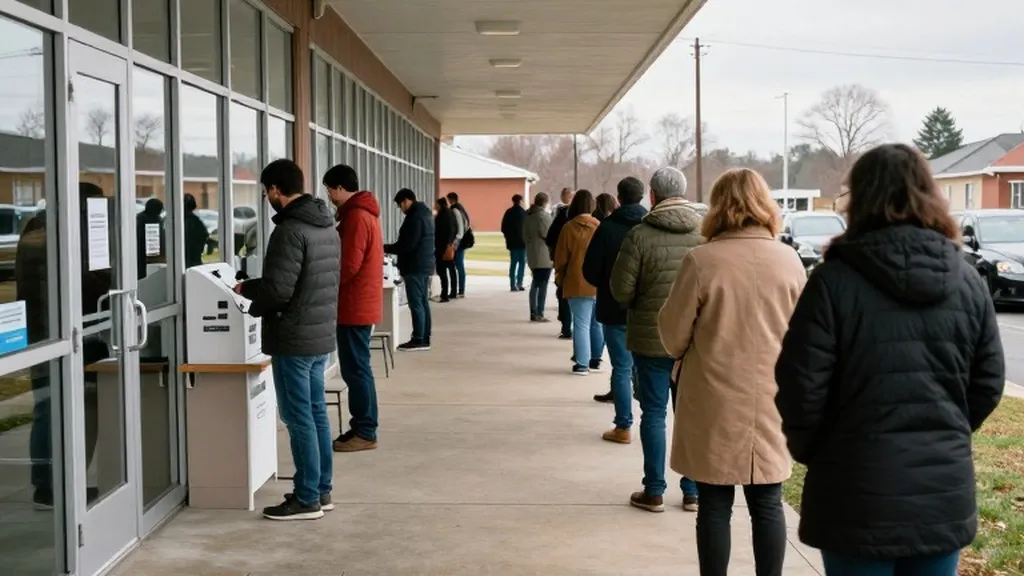
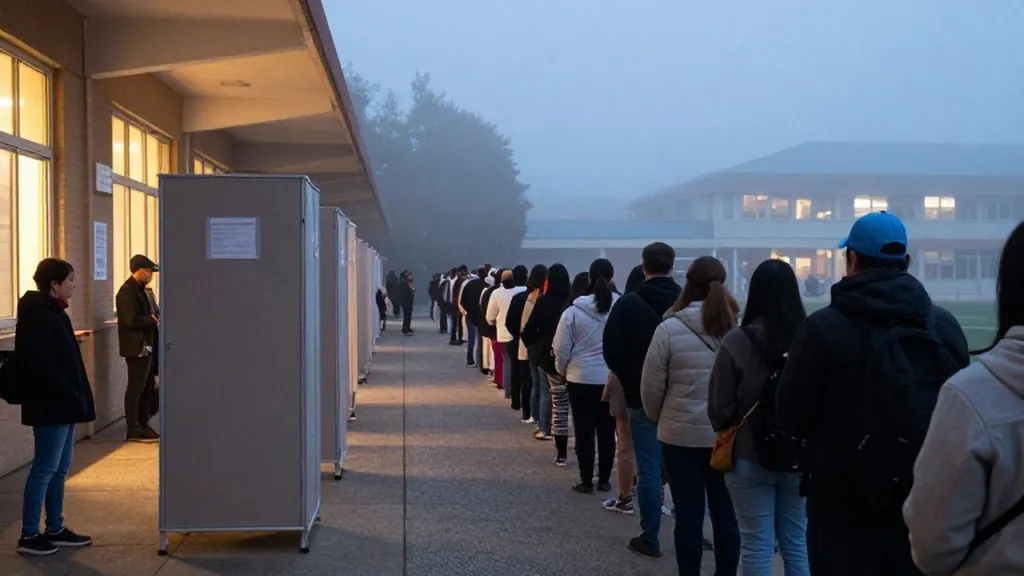
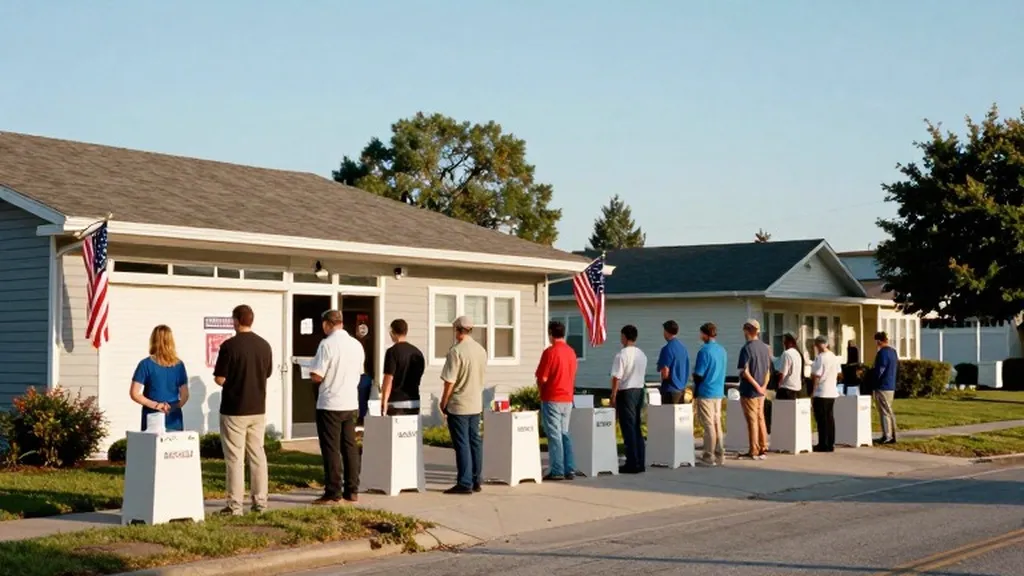
More than 57 million people had already voted as of Monday, surpassing the early vote totals from four years ago in many closely watched states. The U.S. Postal Service added hours, staff, and special lines to ensure that mail ballots are counted on time. This logistical effort is crucial in states like California, Colorado, and Oregon, where a large portion of the vote is cast by mail. The high volume of early voting suggests that the final tally will be closely watched as polls close across the country.
The election serves as a referendum on the President's second term, with voters struggling with high prices and an unpopular war with Iran. The AP describes the mood as one of caution, with Republicans bracing to lose the House and Democrats remaining cautiously optimistic. As polls open in states ranging from Alabama to Wyoming, the focus remains on whether the President's popularity can translate into seats for his party. The results will determine who controls Congress for the final two years of the Trump administration.