Governor Races Split 18-18 With Nine Battlegrounds Deciding National Control
Nineteen open seats and key contests in states like Ohio and Georgia determine if Democrats can reclaim the majority they have lacked since 2010.
By Evelyn Henderson ·
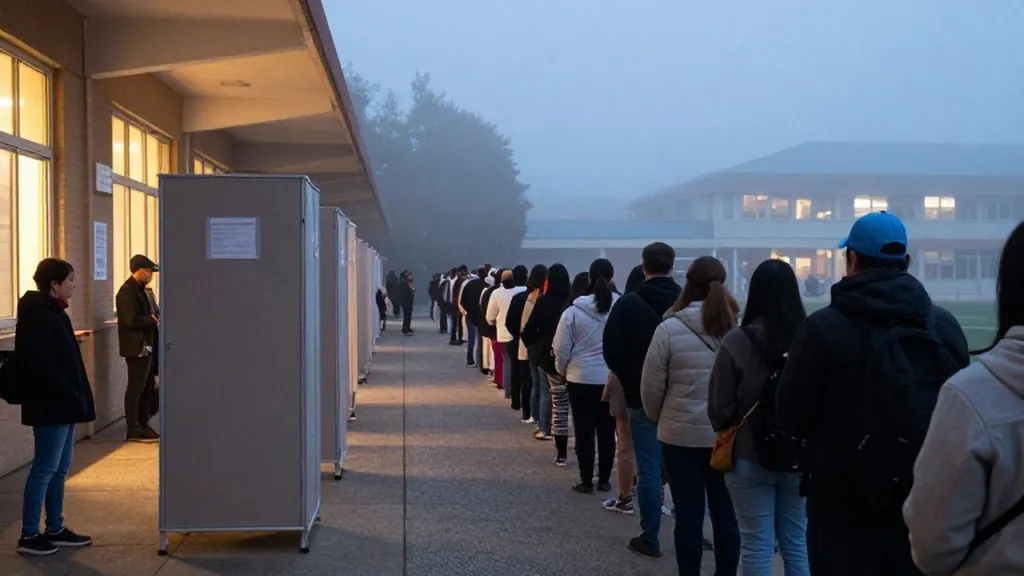
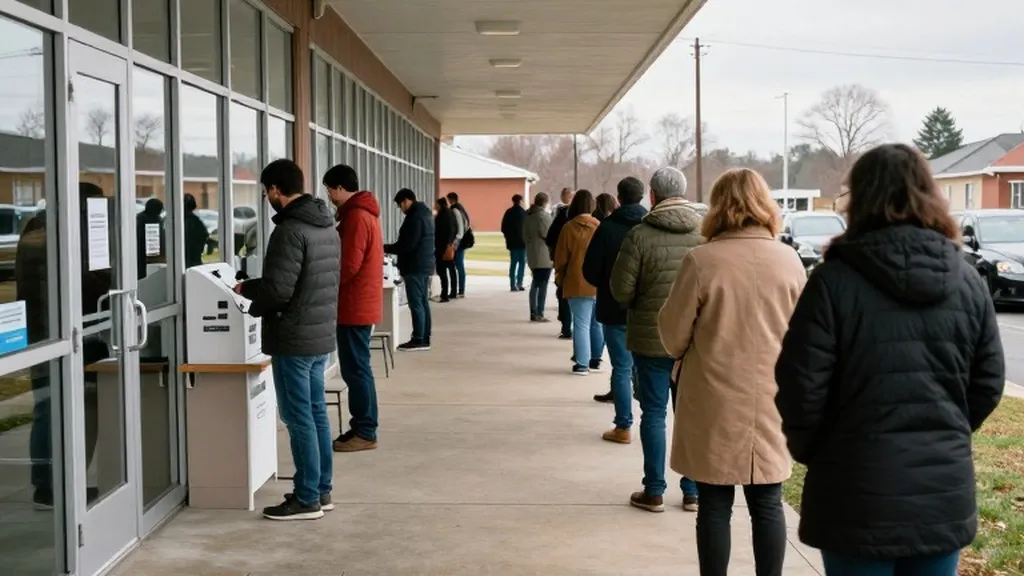
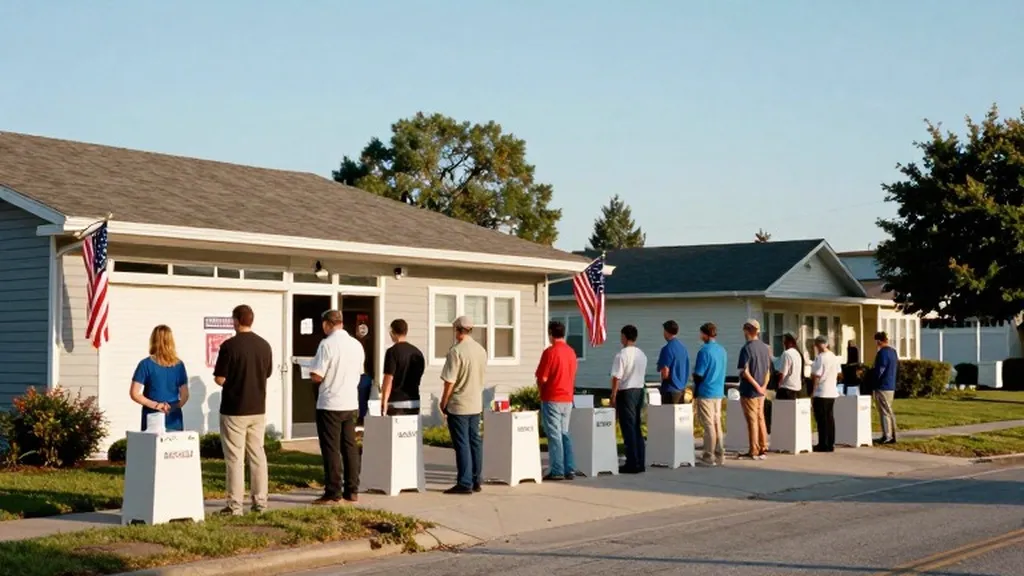
Voters heading to the polls on Tuesday face a complex set of thirty-six governor races that will determine the balance of power in statehouses across the nation. The stakes are high because the outcome of these contests directly influences which party holds a majority of governorships. Heading into Election Day, the Associated Press notes that Republicans and Democrats each hold eighteen of the thirty-six offices currently on the ballot. This even split means that every vote in these races carries significant weight in shifting the national landscape.
The distribution of open seats presents a unique challenge for both parties. According to Ballotpedia, nineteen of the thirty-six races feature no incumbent on the ballot. Fifteen governors are term-limited and must step down by law. In three other states, the sitting governors chose not to seek re-election. Iowa Governor Kim Reynolds, Minnesota Governor Tim Walz, and Wisconsin Governor Tony Evers all decided to run for the U.S. Senate or retire. Rhode Island Governor Daniel McKee is the fourth exception, having lost his primary race earlier in the year. These open seats create opportunities for challengers to gain ground without facing the name recognition of a current officeholder.
Nine specific states are considered battlegrounds for governorial control. Ballotpedia identifies Alaska, Arizona, Georgia, Iowa, Kansas, Michigan, Nevada, Ohio, and Wisconsin as the key contests. In these states, the margins of victory are expected to be narrow. The Associated Press highlights that Democrats are defending five governorships in states that President Trump won in 2024. These include Arizona, Kansas, Michigan, Pennsylvania, and Wisconsin. Conversely, Republicans are defending two governorships in states that former Vice President Kamala Harris won in 2024, specifically New Hampshire and Vermont.
Several named matchups are drawing national attention due to the prominence of the candidates. In Georgia, Republican healthcare executive Rick Jackson faces Democratic former Atlanta Mayor Keisha Lance Bottoms in a race to succeed Brian Kemp. In Nevada, incumbent Republican Governor Joe Lombardo is running against Democratic Attorney General Aaron Ford. The Ohio race features Republican Vivek Ramaswamy against Democrat Amy Acton. The Associated Press reports that Ramaswamy’s campaign recently faced backlash over an advertisement featuring Acton’s estranged mother. These personal dynamics add a layer of complexity to the policy-focused debates that define the campaign.
The economic context of the election is influencing voter sentiment in these governor races. The Associated Press describes the midterm election as a referendum on the president’s second term, with many voters struggling with high prices. AP-NORC polling indicates that only 25% of U.S. adults approve of the president’s handling of the economy. This dissatisfaction is likely to impact how voters evaluate candidates in open seats where there is no incumbent to hold accountable. In states like Ohio and Michigan, candidates are emphasizing cost of living issues to connect with frustrated households.
Turnout remains the primary variable that could tip the balance in these races. Republican National Committee Chairman Joe Gruters stated that everything depends on turnout, asserting that if they turn out their voters, they win. This strategy is particularly relevant in the nine battleground states where margins are tight. Democrats, led by House Democratic Leadership Council Chair Suzan DelBene, argue that the American people are angry and want change. DelBene’s comments reflect a strategy focused on mobilizing base voters who feel the current administration has not addressed their economic concerns.
The race for the governorial majority is also tied to the broader fight for control of Congress. Democrats would need a net gain of two governorships to achieve a nationwide majority. Republicans have held this majority since 2010. A Democratic victory in this area would signal a significant shift in political power and provide a foundation for the party’s legislative agenda. The Associated Press notes that if Democrats win even one chamber of Congress, investigations and possible impeachment proceedings become likely. This potential oversight role adds urgency to the governor races, as state leaders often play a key role in national political dynamics.
Campaign spending patterns reveal where both parties see the most opportunity. The Associated Press analysis of AdImpact data shows that 88.1% of Republican general election TV ad spending went to states and districts that President Trump won in 2024. This includes more than $850 million in advertising in areas where he won by ten points or more. Democrats, however, outraised their opponents at the candidate level. This discrepancy suggests that Republicans are focusing on protecting their base in solidly red states, while Democrats are investing in competitive races where they believe they can make gains. The high cost of these elections, likely the most expensive in history, reflects the intensity of the competition for these thirty-six seats.
Voters in these states will also be deciding on other key issues that affect their daily lives. The Associated Press reports that more than 57 million people had already voted as of Monday, surpassing early vote totals from four years ago in many closely watched states. This high level of early participation suggests that voters are engaged and motivated. In states like Iowa and Kansas, the open seats allow new leaders to emerge who may bring fresh perspectives on issues such as energy policy, education, and infrastructure. The outcome of these races will shape the statehouses for the next four years, influencing how states interact with the federal government and manage their own budgets.