Palm Beach and Raleigh voters weigh tariffs, prices in tight midterms
AP-NORC data shows economic anxiety driving turnout as Republicans fight to hold Congress.
By Lucas Chen ·
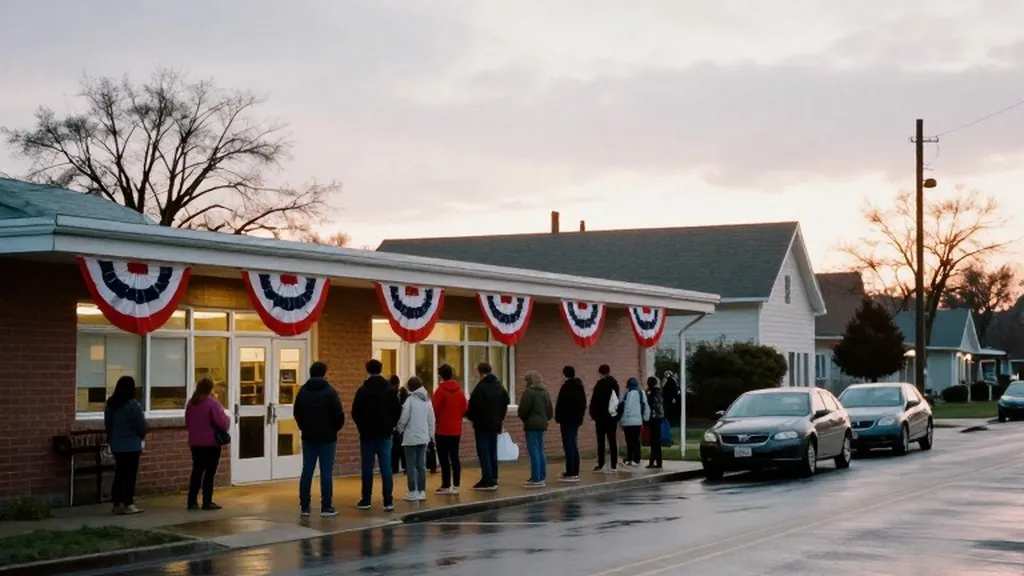
Voters across the United States are heading to the polls on Tuesday, November 3, 2026, to decide which party controls Congress for the final two years of President Donald Trump's second term. The Associated Press describes the election as a referendum on the administration, with many Americans struggling with high prices and anger over an unpopular war with Iran. This economic strain is the central focus for both parties as they compete for a majority in the House and the Senate.
According to AP-NORC polling, 35 percent of U.S. adults approve of Trump's job performance, while only 25 percent approve of his handling of the economy. About seven in ten respondents say the country is heading in the wrong direction, and most blame the president for high prices. These numbers suggest that the cost of living is the dominant issue for voters, even as the president holds rallies and campaigns for his party.
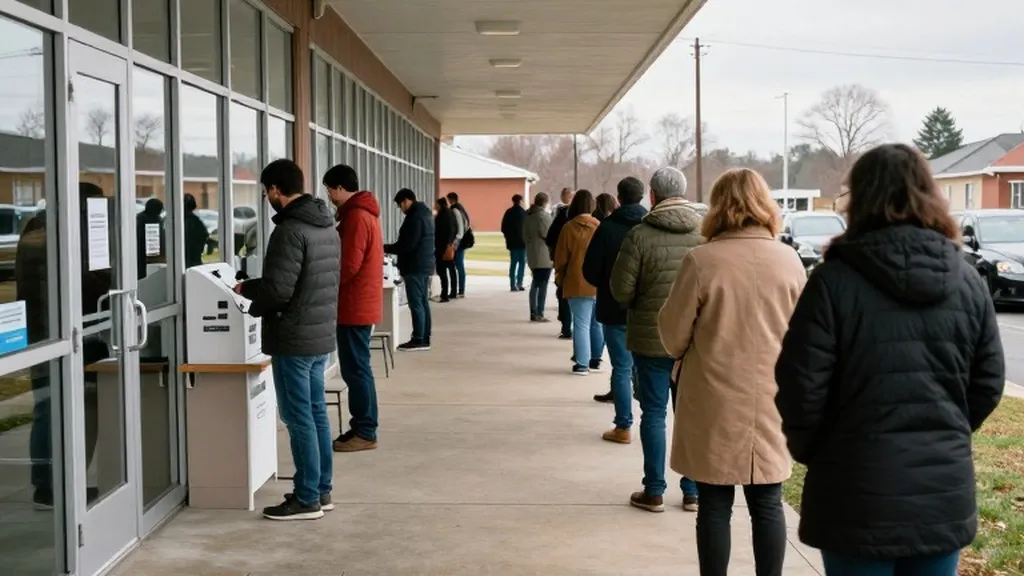
In Raleigh, North Carolina, the economic pressure is palpable. James Moore, 57, a librarian, described his personal financial situation to reporters. He stated that he is paying more taxes, paying more for healthcare, and paying more for everything. His comments reflect the broader sentiment in battleground districts where the 2024 presidential margin was narrow. Moore's experience highlights the specific concerns of voters in states like North Carolina, where the Senate race is open after Thom Tillis retired.
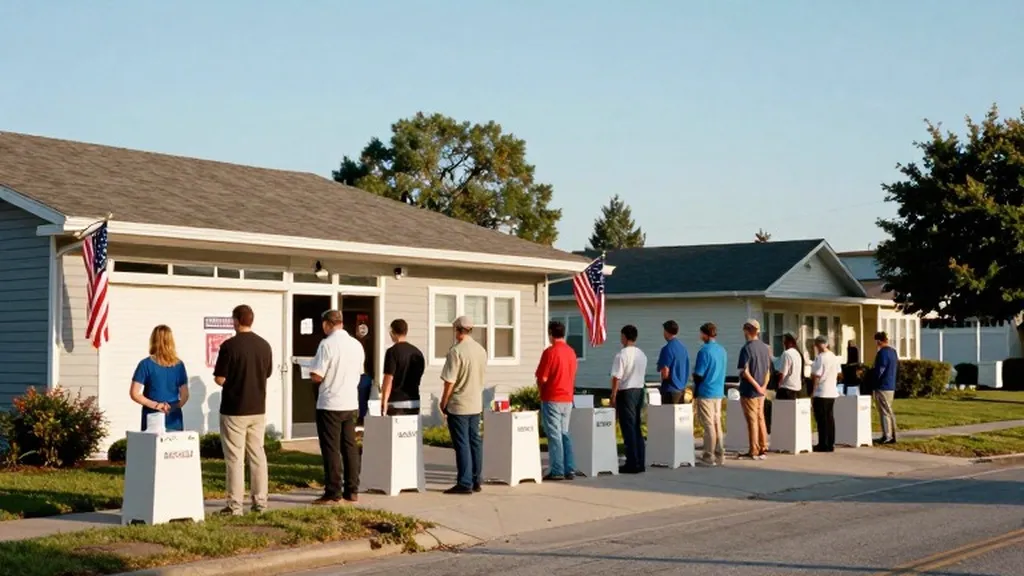
Conversely, in Palm Beach Gardens, Florida, voter sentiment appears different. Mark Barker told reporters that he has been following Trump the whole time and believes the president is doing an awesome job. Barker's optimism contrasts with the economic anxiety expressed by voters in other regions. Florida is a key state in this election, with a special Senate election and a competitive governor's race adding to the stakes for both parties.
The Associated Press notes that the AP-NORC poll is one of many indicators of voter sentiment. While the numbers show significant dissatisfaction with the economy, they also indicate that the election remains extremely close. Republicans are bracing to lose the House but are fighting hard to hold the Senate. One or two seats in either chamber could determine the balance of power in Washington for the next two years.
Tariffs are a specific economic policy that has contributed to the current mood. The AP reports that economic strain and tariffs have made states like Maine competitive for the Senate. In Maine, Senator Susan Collins faces a challenge from Democratic former state Senate President Troy Jackson. The state's voters are watching closely as the national debate over trade and prices plays out in local races.
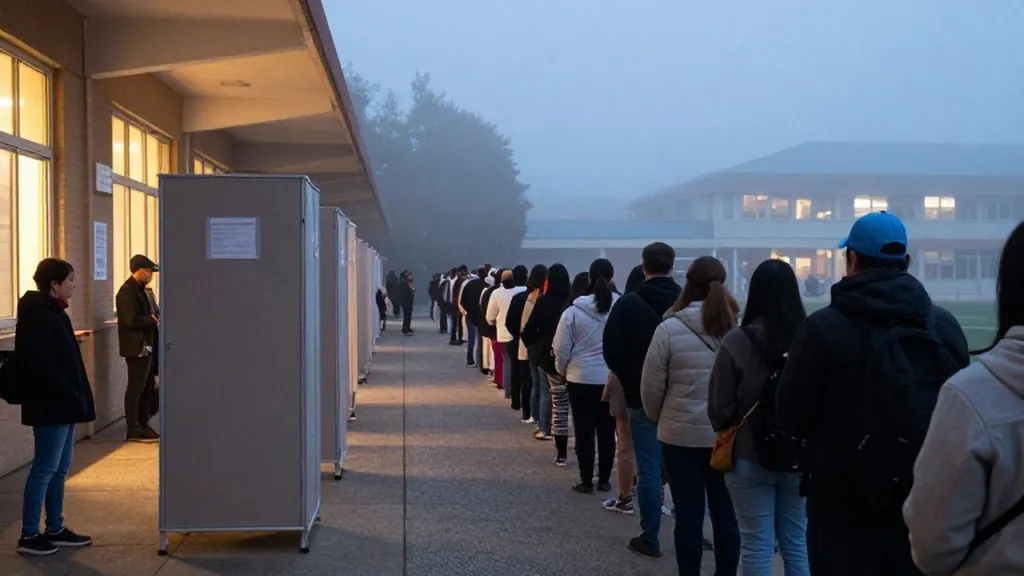
Turnout is a critical factor in this election. RNC Chairman Joe Gruters stated that everything depends on turnout, asserting that if Republicans turn out their voters, they will win. This focus on mobilization is evident in the high number of early votes, with more than 57 million people having already cast ballots as of Monday. This figure surpasses the early vote from four years ago in many closely watched states, indicating a high level of engagement.
Democrats, meanwhile, are described as cautiously optimistic. DCCC Chair Rep. Suzan DelBene said the American people are angry and want change. She emphasized the desire for a shift in leadership, particularly regarding the cost of living. If Democrats win even one chamber, investigations and possible impeachment proceedings become likely. House Democratic Leader Hakeem Jeffries has outlined a 100-day agenda focused on the cost of living and oversight.
The financial resources behind the campaigns are also a point of interest. The 2026 elections are likely to be the most expensive in history. Republican committees outraised and outspent Democratic committees, helped by Trump-affiliated groups and Elon Musk. However, at the candidate level, Democrats outraised their opponents. This disparity in funding reflects the different strategies each party is employing to reach voters in key districts.
In the Senate, 35 seats are up for election, including 33 regular elections and two special elections. Republicans hold 53 seats, while Democrats hold 45, plus two independents who caucus with Democrats. Democrats need a net gain of four seats to take the majority. The races in states like Kansas and Iowa are crucial, as these are traditionally Republican areas that have become more competitive due to national economic conditions.
The election also involves 36 governorships. Republicans currently hold 26 governor's offices and Democrats 24. In the states on the ballot, each party holds 18 seats. Democrats would need a net gain of two governorships to achieve a nationwide majority, which Republicans have held since 2010. The governor's races in Georgia, Nevada, and Ohio are among those that could shift the balance of state-level power.