House Control Sets Stage for Oversight and 2028 Contests
If Democrats gain the House, a 100-day agenda and investigations begin immediately, while Senate races decide the final checks on the executive.
By Haruka Ricci ·
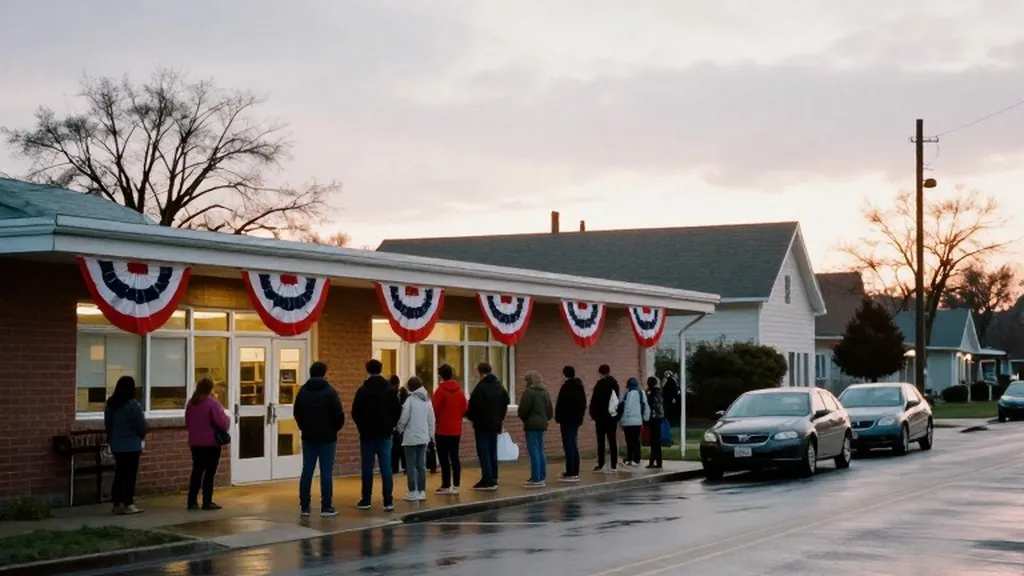
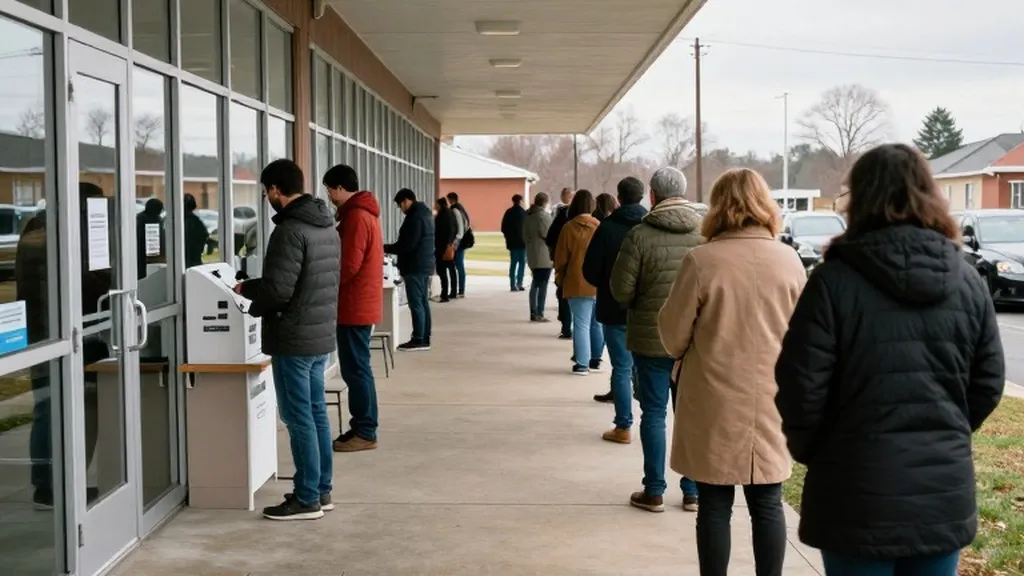
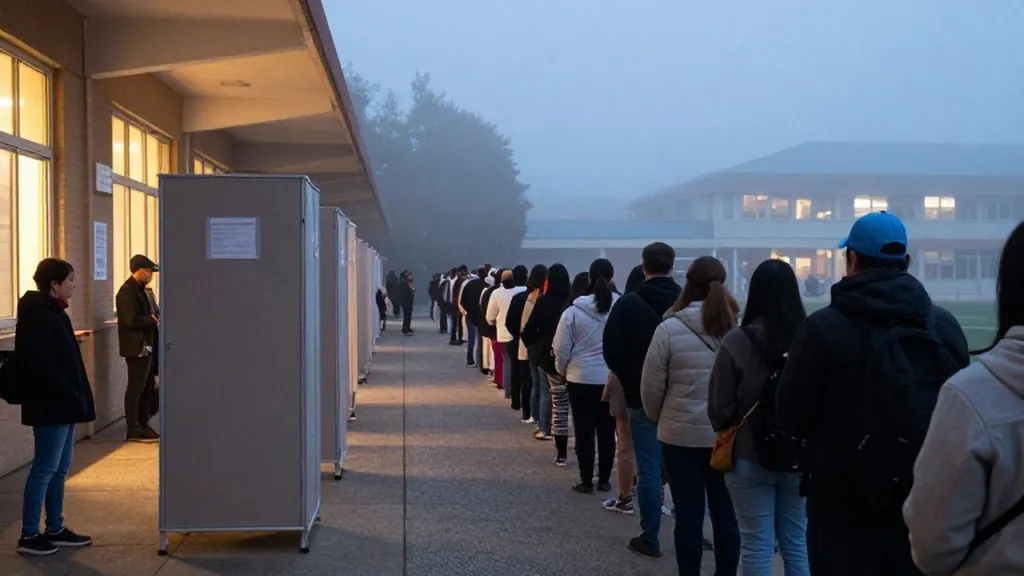
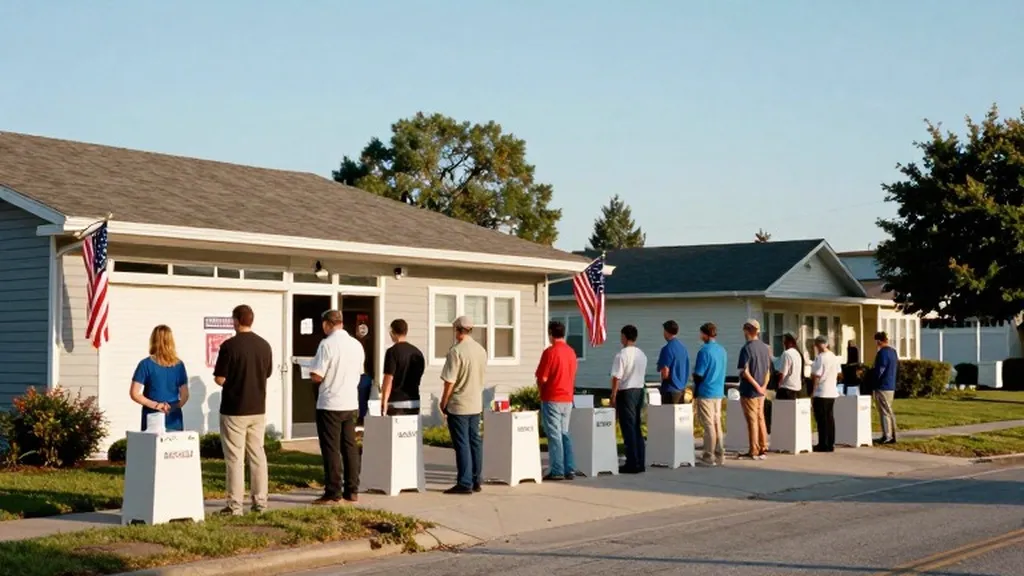
Voters across the United States are casting ballots in a midterm election that will determine which party controls Congress for the final two years of President Donald Trump's second term. The Associated Press describes the contest as a referendum on the current administration, with many voters expressing concern over high prices and the ongoing conflict with Iran. According to AP-NORC polling, 35% of U.S. adults approve of the president's job performance, while about seven in ten say the country is heading in the wrong direction. These sentiments are driving turnout in a cycle where more than 57 million people had already voted as of Monday, surpassing early vote totals from four years ago in many closely watched states.
The race for the U.S. House is the central focus for those seeking to expand oversight. Republicans currently hold 218 seats, while Democrats hold 214. Democrats need a net gain of three districts to secure a majority, a threshold that requires them to perform well in the 46 battleground districts identified by Ballotpedia. In the Senate, Republicans hold 53 seats and can afford to lose only two to maintain control. Democrats need a net gain of four seats to take the chamber. With 35 Senate seats up for grabs, including special elections in Florida and Ohio, the outcome will define the legislative agenda for 2027 and 2028. If Democrats win either chamber, investigations and possible impeachment proceedings become likely, shifting the dynamic from legislation to scrutiny.
A key figure in this potential shift is House Democratic Leader Hakeem Jeffries, who would become the first Black speaker if his party takes the House. Jeffries has outlined a 100-day agenda that prioritizes the cost of living and oversight of the executive branch. This plan signals an immediate focus on accountability if the balance of power changes. For Republican leaders, the stakes are equally high as they attempt to beat the historical pattern where a president's party loses seats in midterm elections. RNC Chairman Joe Gruters emphasized that everything depends on turnout, stating that if they mobilize their voters, they will win. This strategy relies heavily on high participation in key districts where the margins are thin.
The Senate races are particularly contentious in states where the 2024 presidential margins were close. In Maine, Senator Susan Collins faces a competitive challenge from Troy Jackson, with the AP noting that economic strain and tariffs have made the state a toss-up. In Georgia, Senator Jon Ossoff is running against Representative Mike Collins in a race rated as leaning Democratic. In Texas, Attorney General Ken Paxton, who won the Republican primary with President Trump's backing, faces Democrat James Talarico. These matchups illustrate how national issues intersect with local economic concerns. Voters in these states are weighing the performance of the incumbent administration against the promise of increased legislative oversight.
Governor races also carry significant weight, as 36 states are electing chief executives. Republicans currently hold 26 governorships, but Democrats are hoping to achieve a nationwide majority for the first time in two decades. In Georgia, former Governor Roy Cooper is not running, leaving a competitive race between Rick Jackson and Keisha Lance Bottoms. In Ohio, Vivek Ramaswamy is challenging the incumbent, a race that has drawn attention due to campaign ads and local economic concerns. Control of governorships affects state budgets, education, and infrastructure, making these races crucial for long-term partisan influence. The outcome in states like Iowa, Kansas, and Nevada will help determine whether one party holds a unified front across executive and legislative branches.
Money has played a decisive role in shaping the campaign landscape, with the 2026 elections likely to be the most expensive in history. Republican committees outraised and outspent Democratic committees at the national level, aided by groups affiliated with President Trump and Elon Musk. However, at the candidate level, Democrats outraised their opponents. An AP analysis of AdImpact data shows that 88.1% of Republican general election TV ad spending went to states and districts that President Trump won in 2024. This spending strategy reflects a defensive posture aimed at holding key seats in friendly territory. Democrats, meanwhile, focused their resources on flipping districts where the president's margin was narrower.
The administration has also been involved in legal battles over election procedures, adding a layer of complexity to the voting process. A federal judge temporarily barred the Trump administration from implementing a plan to prevent noncitizen voting, a move that critics said risked disenfranchising eligible voters. In California, a judge ordered the administration to stop demanding that election officials segregate ballots cast by people on lists of suspected noncitizens. The U.S. Postal Service added staff and hours to ensure mail ballots are counted on time, addressing concerns about delays. These administrative actions have heightened the focus on the integrity of the vote as millions cast ballots in the final hours of the election.
For Republicans, holding the Senate is critical to maintaining a check on the executive and advancing their legislative priorities. If they lose the chamber, the administration may face greater hurdles in confirming nominees and passing legislation. The AP notes that Republicans were bracing to lose the House but fighting to hold the Senate, acknowledging that one or two seats could tip the balance. In the House, the loss of 60 incumbents who did not run again has opened up competitive races in both parties. These vacancies allow for new voices to enter Congress, potentially altering the ideological composition of the chamber. Voters in these open seats are deciding whether to continue with the status quo or shift control to the opposition.