Michigan Voters Decide Fate of State Leadership and Senate Seat
Polls open at 7 a.m. for a ballot featuring a competitive governor’s race and a high-stakes Senate contest.
By Evelyn Henderson ·
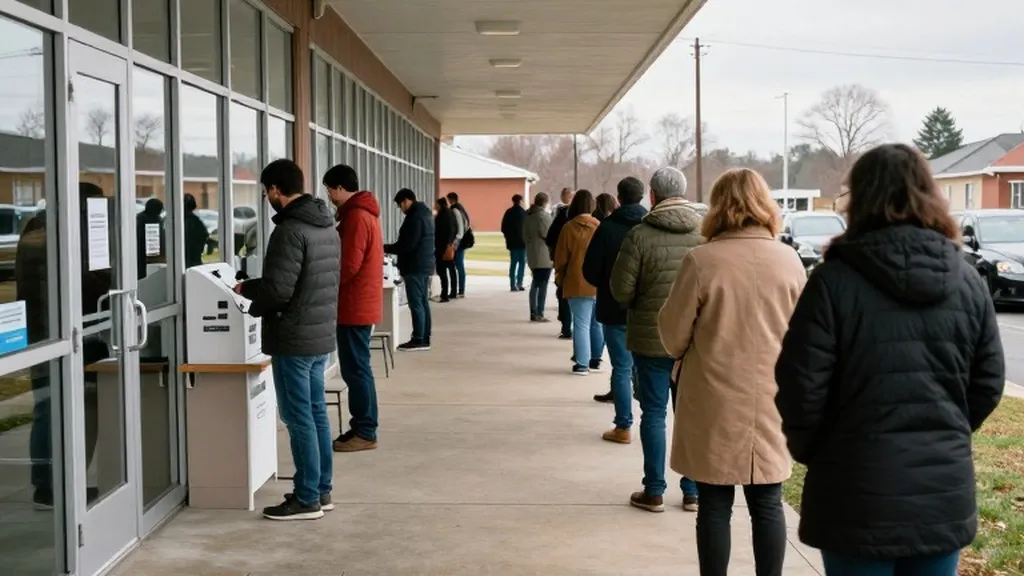
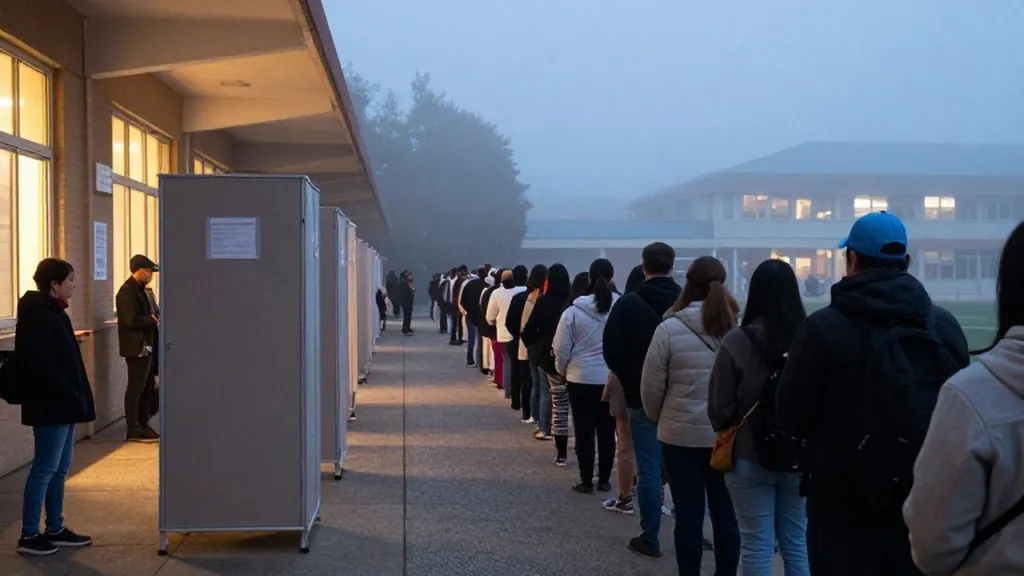
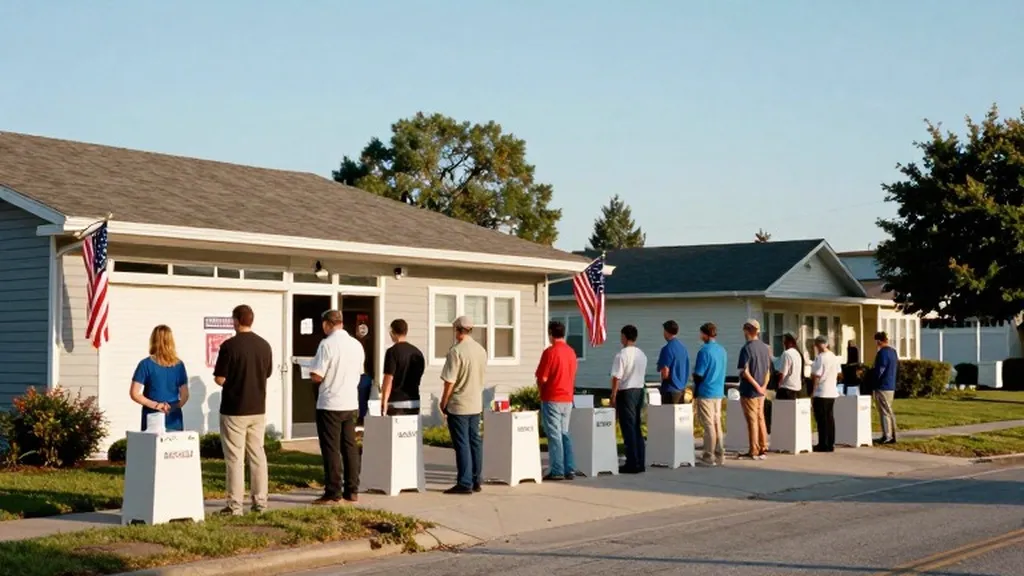
Michigan voters head to the polls today to decide the state’s top executive offices and a vacant seat in the U.S. Senate. The midterm election marks a critical moment for both parties as they compete for control of state government and influence in the federal chamber. Polls open at 7 a.m. local time and close at 8 p.m. Residents in the Upper Peninsula, which observes Central Time, have a slightly different window. Voters in line by the 8 p.m. deadline will be allowed to cast their ballots.
The governor’s race pits Democratic Secretary of State Jocelyn Benson against Republican U.S. Representative John James. Incumbent Governor Gretchen Whitmer has reached her term limit and cannot run again. Benson, currently serving as Secretary of State, runs with Michigan Senator Winnie Brinks for lieutenant governor. If they win, they would be the first all-female ticket to take office. James, representing the 10th District, runs with Michigan Representative Jay DeBoyer. A victory for James would make him the first African-American governor in Michigan history.
The U.S. Senate contest is equally contentious. Democrat Gary Peters is retiring, leaving the seat open. Abdul El-Sayed, the Democratic candidate, faces Republican Mike Rogers. Rogers has served in the U.S. House for 14 years. He lost the previous election to Senator Elissa Slotkin by a narrow margin. El-Sayed is a political outsider and former director of the Wayne County and Detroit health departments. He became the first Muslim candidate to secure a major party nomination for the U.S. Senate. His primary endorsement came from progressive leaders including Senator Bernie Sanders and Representative Alexandria Ocasio-Cortez.
The Senate race gained national attention this week when Congresswoman Haley Stevens, a Democrat, publicly endorsed Rogers. This move signaled a strategic shift in the party’s approach. Republicans currently hold a slim majority in the U.S. Senate. They view this seat as a key opportunity to expand their lead. Democrats consider the seat a must-win to reclaim majority control. The outcome will likely affect the balance of power in the federal legislature.
Other statewide races include the contests for Attorney General and Secretary of State. Dana Nessel, the current Attorney General, is term-limited. Eli Savit represents the Democrats, while Doug Lloyd represents the Republicans. For Secretary of State, Garlin Gilchrist II runs for the Democrats against Anthony G. Forlini for the Republicans. The Secretary of State serves as the chief election officer and administrator of motor vehicles.
Voters will also decide on two constitutional proposals. Proposal 1 asks if Michigan should hold a constitutional convention to draft a new state constitution. A yes vote initiates the drafting process. A no vote keeps the current constitution intact. Proposal 2 seeks to prohibit regulated utility companies and government contractors from making political contributions. A yes vote would restrict these specific corporate donations.
Local ballot measures focus on property taxes for cultural institutions. Residents in Wayne, Oakland, and Macomb counties vote to renew the Detroit Zoo millage. The rate remains at 0.1 mill for ten years. This renewal would generate approximately $8.8 million in the first year. The funds support maintenance and operations for the 125-acre park and its 2,000 animals. Voters in Oakland and Wayne counties also consider a 0.2 mill tax for the Charles H. Wright Museum of African American History and the Detroit Historical Society. This tax applies from 2026 through 2035.
The museum millage would cost a homeowner with a property value of $300,000 about $30 per year. State officials report that approximately 1.2 million Michigan residents have already voted. This represents an early turnout rate of 16.5% of active registered voters. More than 138,000 people used early voting sites. Over one million submitted ballots by mail. Detroit residents can ride Department of Transportation buses for free on Election Day.
Voters must present a photo ID if they possess one. Those without an ID can sign an affidavit to receive a ballot. Michigan law bans campaign materials within 100 feet of polling places. Voters may bring voter information guides into the voting area but must remove them before leaving. Selfies are permitted only outside the voting area. The state offers three voting methods: straight party ticket, split ticket, and mixed ticket. All methods are valid for the partisan section of the ballot.
Source: FOX 2 Detroit