Senate math: The 13 races that decide who controls Congress
With 35 seats on the ballot, Republicans can lose only two to keep the majority while Democrats need four to take control in this volatile midterm.
By Evelyn Henderson ·

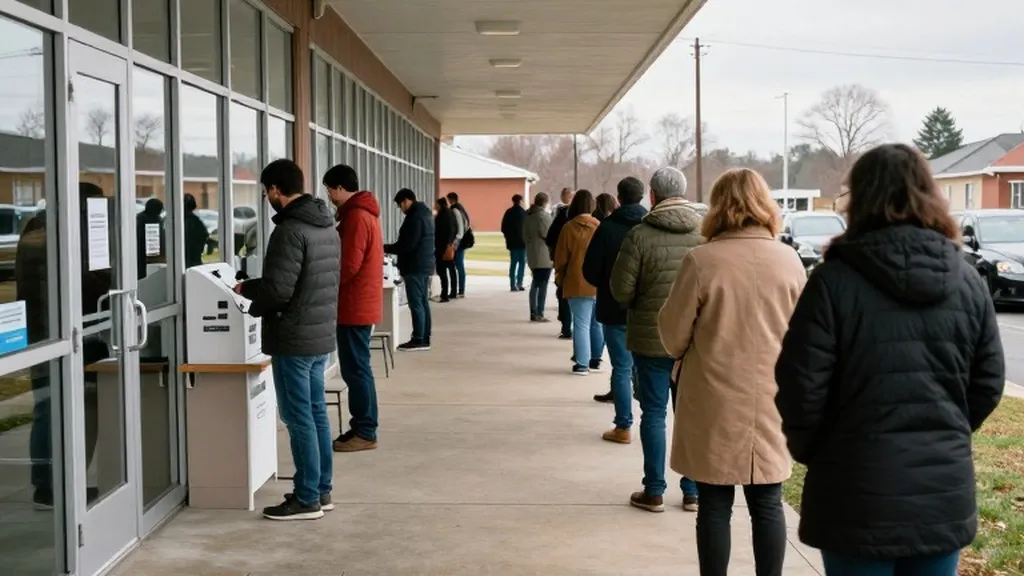
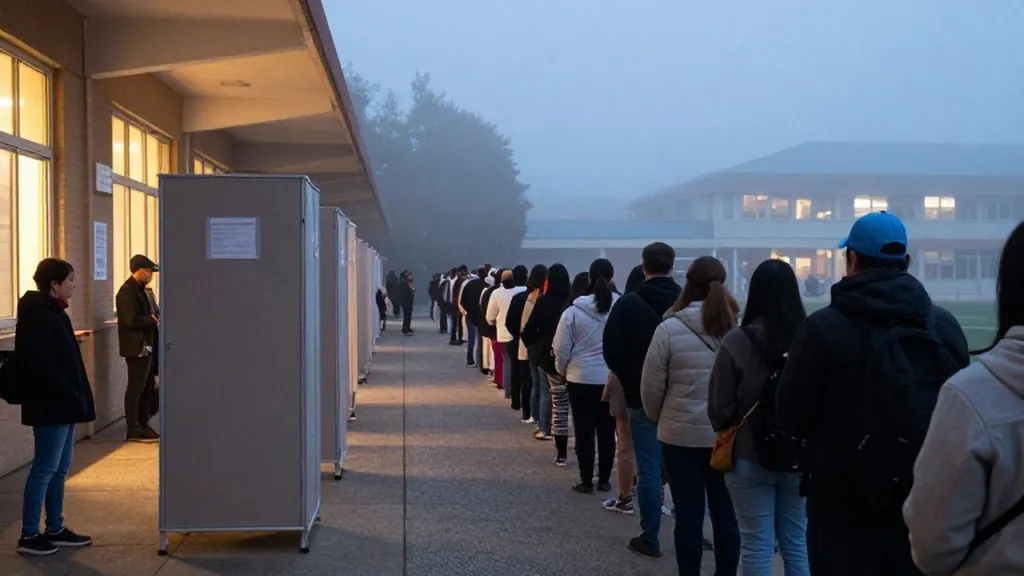
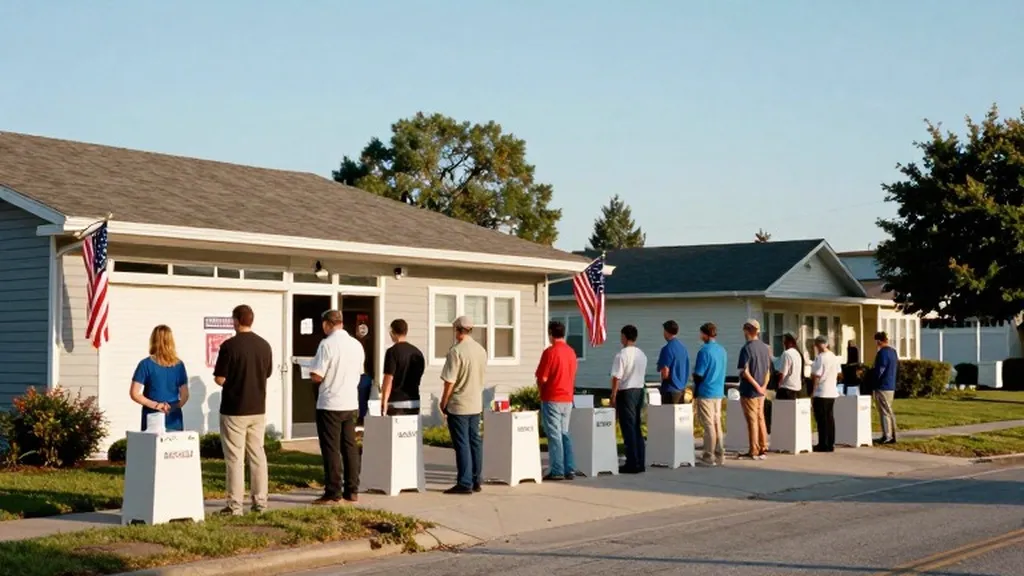
Election Day has arrived with 35 U.S. Senate seats on the ballot, a number that sets the stage for a tight contest over the balance of power in Washington. Republicans currently hold 53 seats in the chamber, while Democrats control 45, with two independents who caucus with the minority party. This configuration means the math is stark for both sides as voters head to the polls or submit their ballots.
To retain their majority, Republicans can afford to lose no more than two of the 35 seats up for election. Democrats, conversely, must achieve a net gain of four seats to claim control of the Senate. This narrow margin of error transforms the race into a collection of critical battlegrounds where small shifts in voter behavior can alter the legislative landscape for the next six years.
Ballotpedia identifies 13 specific Senate races as battlegrounds, a list that includes both incumbent contests and open seats. Among the incumbents defending their positions are Republican Senator Dan Sullivan in Alaska and Senator Ashley Moody in Florida, who is running in a special election. On the Democratic side, Senator Jon Ossoff of Georgia is defending his seat in a state that voted for President Trump in 2024.
Several races are being fought in open seats where the previous holder is retiring or has left office. In Iowa, Senator Joni Ernst is retiring, leaving the seat open in a state that voted heavily for Trump. Similarly, Senator Gary Peters is retiring in Michigan, and Senator Steve Daines is stepping down in Montana. These vacancies often lead to more competitive elections, as both parties see an opportunity to flip seats that might otherwise be safely held by one party.
The ratings for these 13 races vary significantly, with Maine standing out as a toss-up according to all four major rating groups including Cook and Decision Desk. Iowa is rated as either a toss-up or a lean toward Republicans, while Kansas is seen as a toss-up or a lean Republican. In contrast, Alaska and Michigan are rated as toss-up to lean Democratic, reflecting the shifting political dynamics in these states.
Georgia is currently rated as a lean to likely Democratic race, a notable shift in a state that has become increasingly competitive. The AP notes that economic strain and tariffs have made states like Maine particularly competitive, with Senator Susan Collins facing a challenge from Democratic former state Senate President Troy Jackson. These economic concerns are driving voter engagement and potentially altering the usual partisan leanings in these districts.
The AP describes the overall election as a referendum on President Trump's second term, with many voters expressing frustration over high prices and an unpopular war with Iran. A recent AP-NORC poll indicates that 35% of U.S. adults approve of Trump's job performance, while only 25% approve of his handling of the economy. These numbers suggest that economic anxiety is a central theme for voters deciding how to cast their ballots in the Senate races.
Republican committees have been bracing for the possibility of losing the House, but they are fighting hard to hold the Senate. The AP reports that one or two seats could tip the balance in either chamber, highlighting the precarious nature of the current majority. Democrats, meanwhile, are described as cautiously optimistic, banking on the potential for a net gain of four seats to secure control of the upper chamber.
The financial resources behind the campaign are also at record levels, with the 2026 elections likely to be the most expensive in history. Republican committees have outraised and outspent their Democratic counterparts, aided by Trump-affiliated groups and major donors. However, at the candidate level, Democrats have managed to outraise their opponents, suggesting a different strategy in deploying funds across the 35 contested seats.
The outcome of these 35 races will determine who controls Congress for the final two years of President Trump's term. If Democrats win control of the Senate, investigations and possible impeachment proceedings become more likely, according to the AP. The winners of these 13 battleground races will play a pivotal role in shaping the legislative agenda and the checks and balances within the federal government.
As polls open across the country, the focus remains on the 13 key Senate races that will decide the chamber's composition. The combination of retiring incumbents, special elections, and shifting voter sentiment creates a unique environment for this midterm. The final tally will reveal whether the Republican majority holds firm or if Democrats can achieve the necessary net gain to take control.